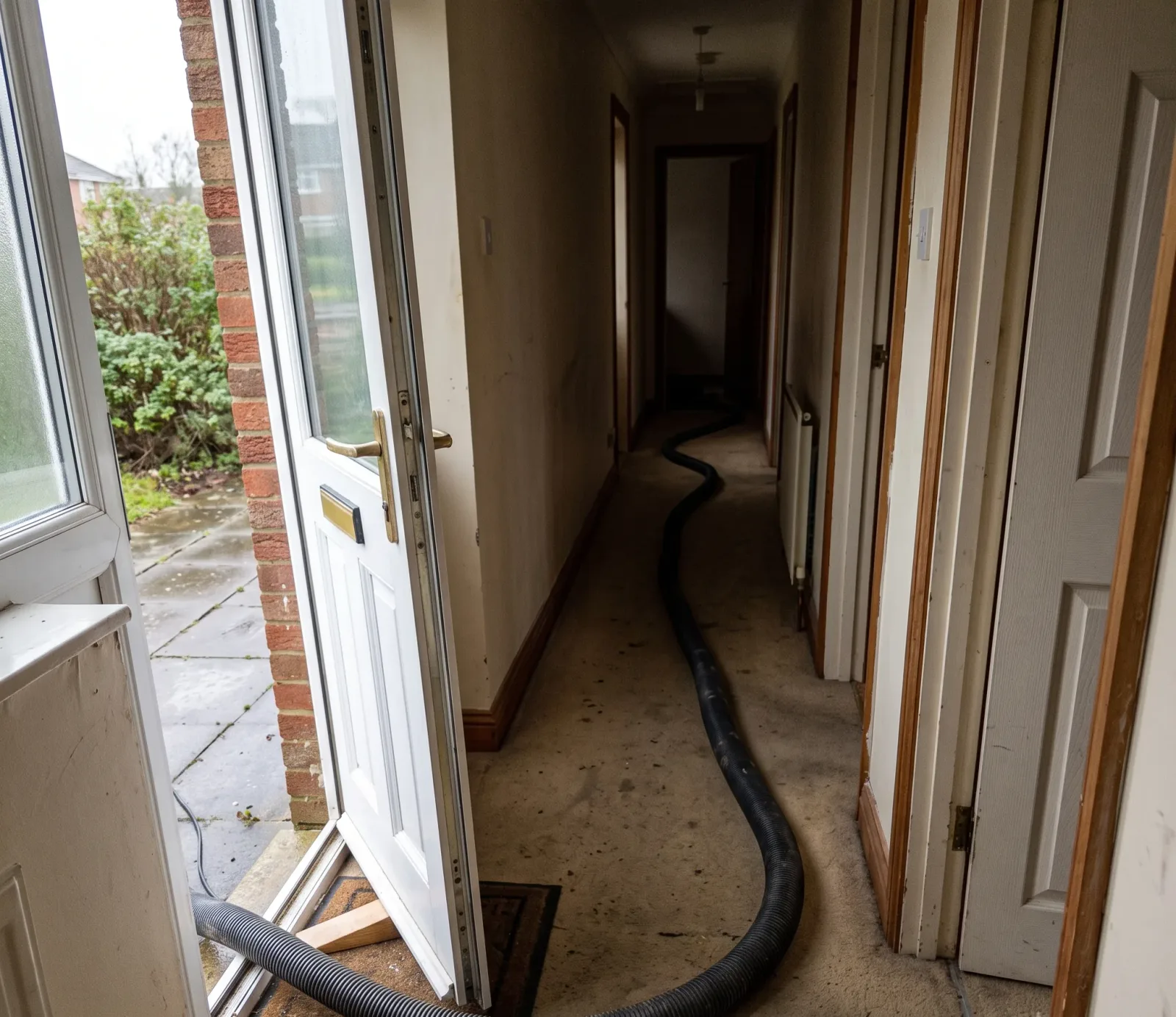
Hotel Water Extraction
Centennial Hotel Water Removal. Plan the work zone, staff handoffs, and guest routes before standing-water removal begins.
See what extraction involves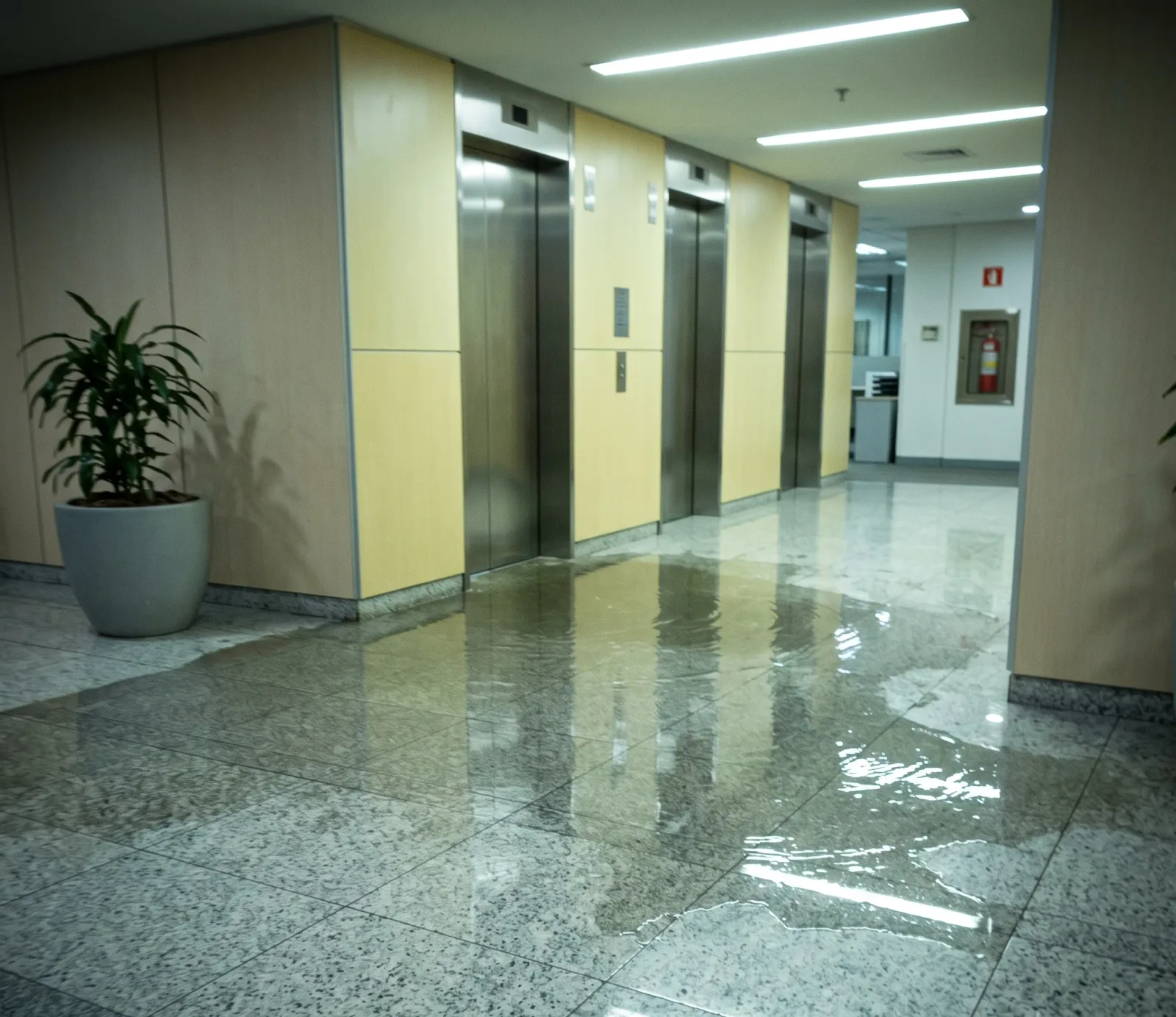
At a Centennial worksite, a wet floor can make the next decision less about cleanup than which areas can safely remain in use. Tell the pros we connect you with where water has reached, whether it is still entering, and which operations depend on that space. Confirm availability, expected timing, any visit charge, and scheduling directly with them. Businesses near Interlocken Business Park or Broomfield County Commons may need to plan access around the affected area. Ask what removal will cover and what records you will receive; moisture checks and drying may follow, while source repair is separate.
In Centennial, a wet threshold, soft flooring, or water reaching a work area can make it hard to tell which parts of the business can keep operating. Identify the rooms, routes, and equipment affected, then ask what can be isolated while standing water is removed. If outlets or equipment are wet, stay clear and get qualified guidance before entering. Check nearby stock and records for signs of water exposure, since damage may extend beyond the visibly wet work area.
At Centennial properties, the work scope follows the water and the materials it reached, whether the first sign is a slick floor or water gathered along a wall. The pros we connect you with can explain the removal approach and what they will document; photos, moisture readings, and a written scope may help you share the situation with an insurer. A site near Broomfield County Commons or Interlocken Business Park still needs its own area-by-area review. Ask what is included and what needs separate attention.
Water can move behind baseboards or into wall cavities, making the visible edge an incomplete guide to affected materials. In Centennial, ask for moisture checks and whether drying equipment is recommended for the wet areas. A leak or other active source needs separate repair. Ask the licensed pros we connect you with whether affected contents need separate assessment from building materials. With these boundaries clear, you can weigh operations, drying, and repairs.
Centennial Hotel Water Removal. Plan the work zone, staff handoffs, and guest routes before standing-water removal begins.
See what extraction involvesHealthcare Water Removal. Plan healthcare water extraction around room access, clinical operations, and one clearly defined scope for each affected…
See what extraction involvesSchool Water Extraction. Cost follows the affected spaces and access plan; start by mapping rooms and coordinating with campus operations.
See what extraction involves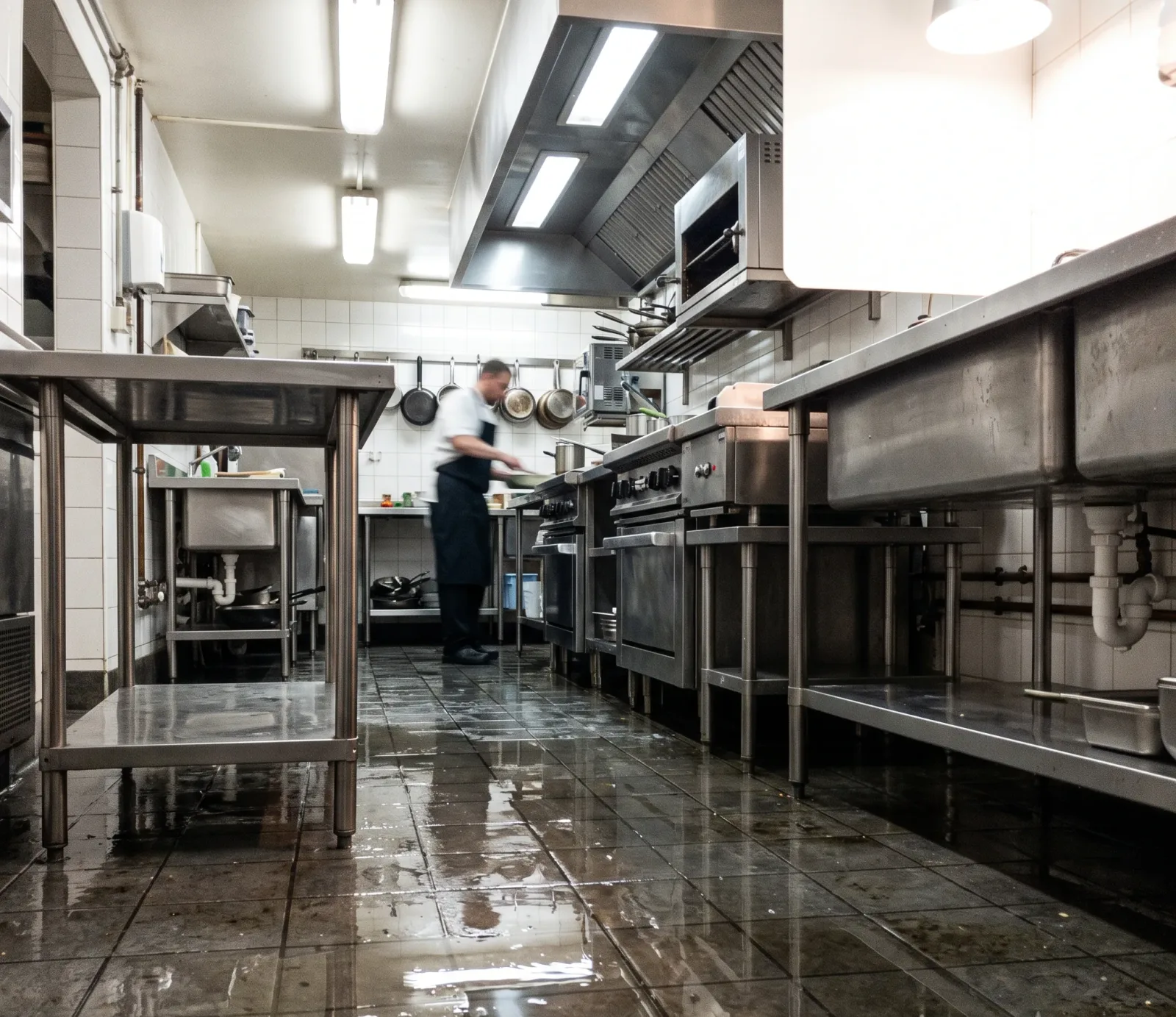
Restaurant Water Removal. A practical guide to removing standing water from restaurant dining, kitchen, and service zones in Centennial.
See what extraction involves
Compare a household wet vac with professional basement water removal
View Basement Water Extraction help in Centennial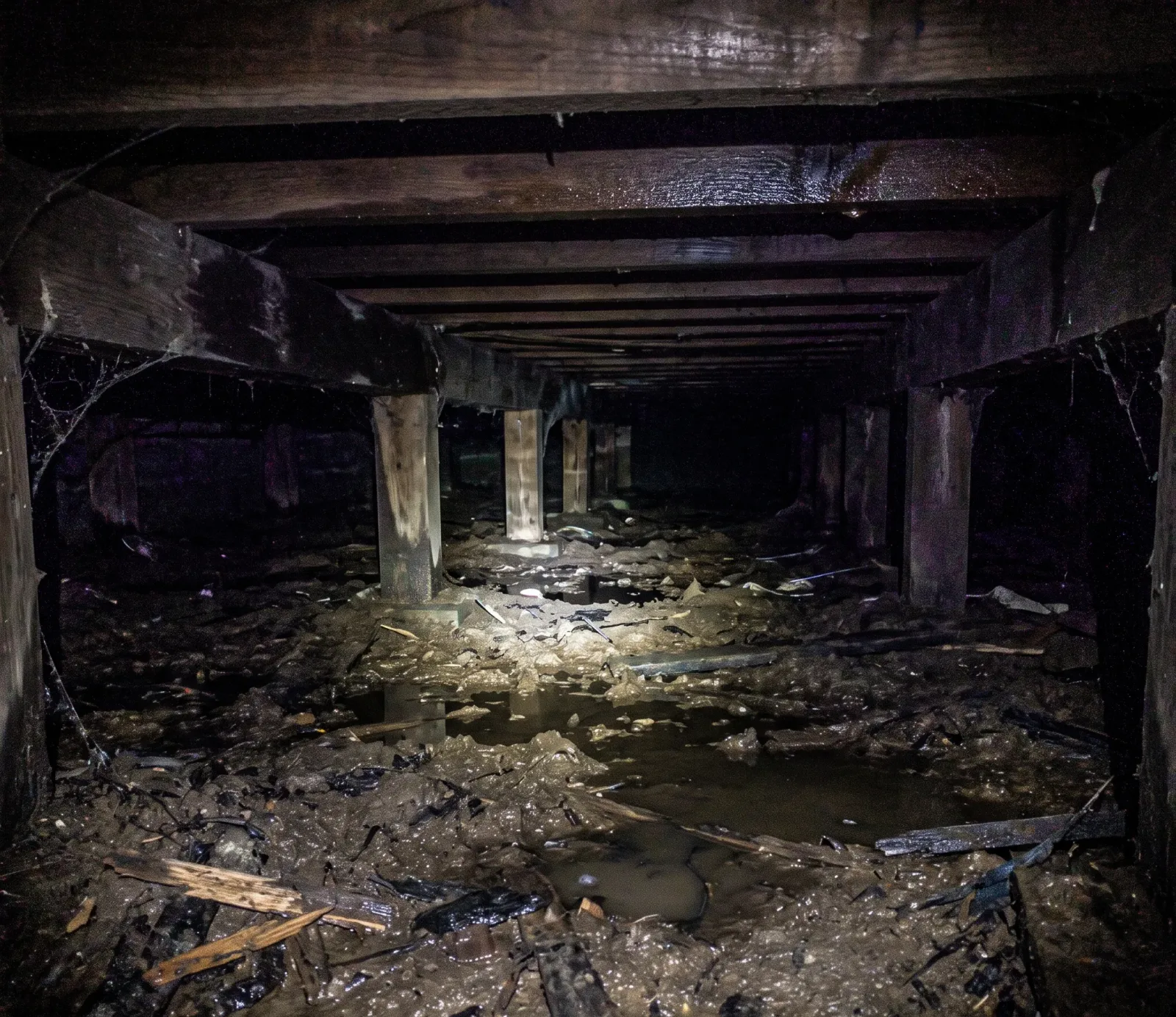
Pooled crawl-space water removed with access and safety in view
View Crawl Space Water Extraction help in Centennial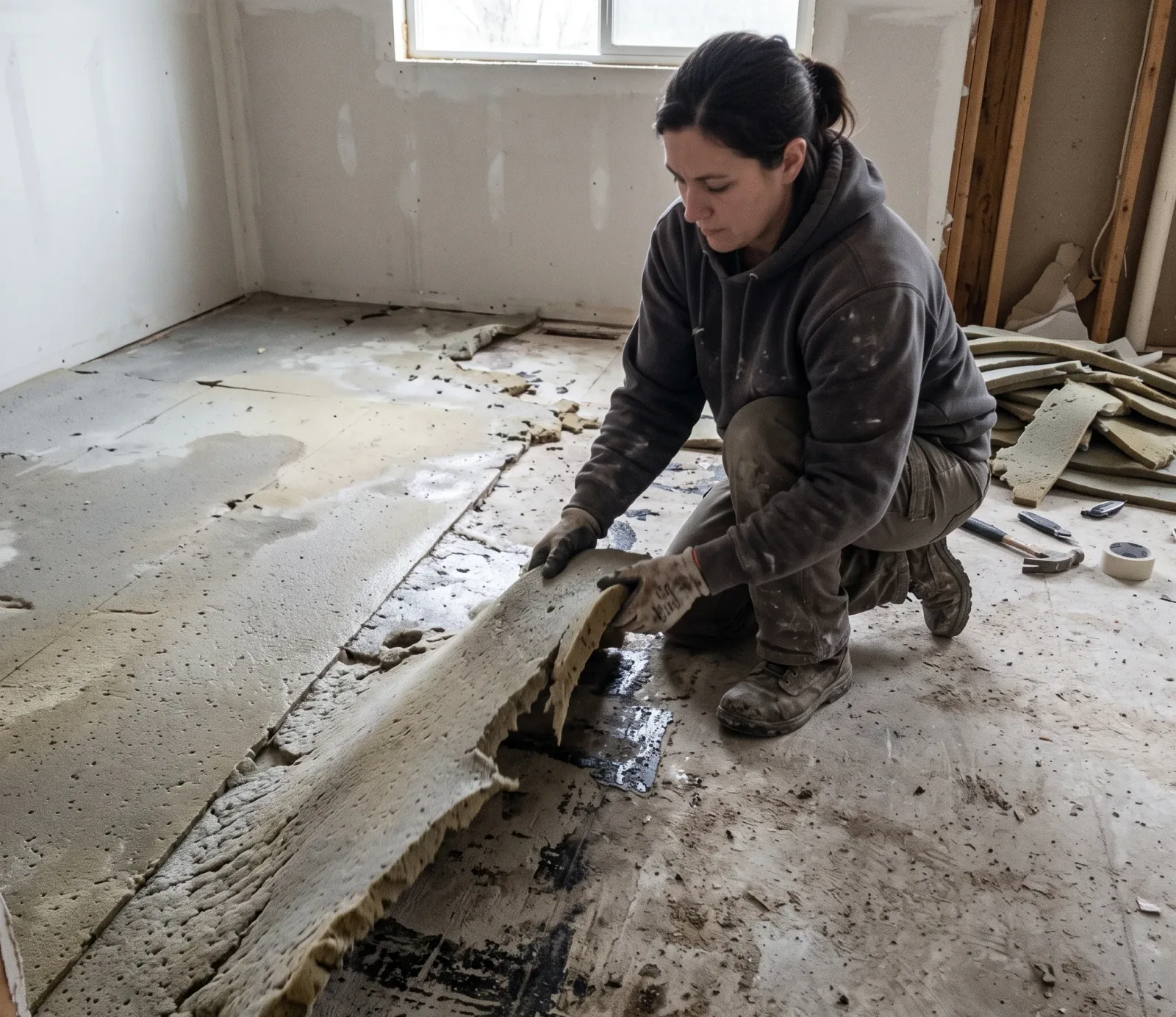
Carpet access, water spread, and pad condition shape extraction scope
View Carpet and Pad Water Extraction help in Centennial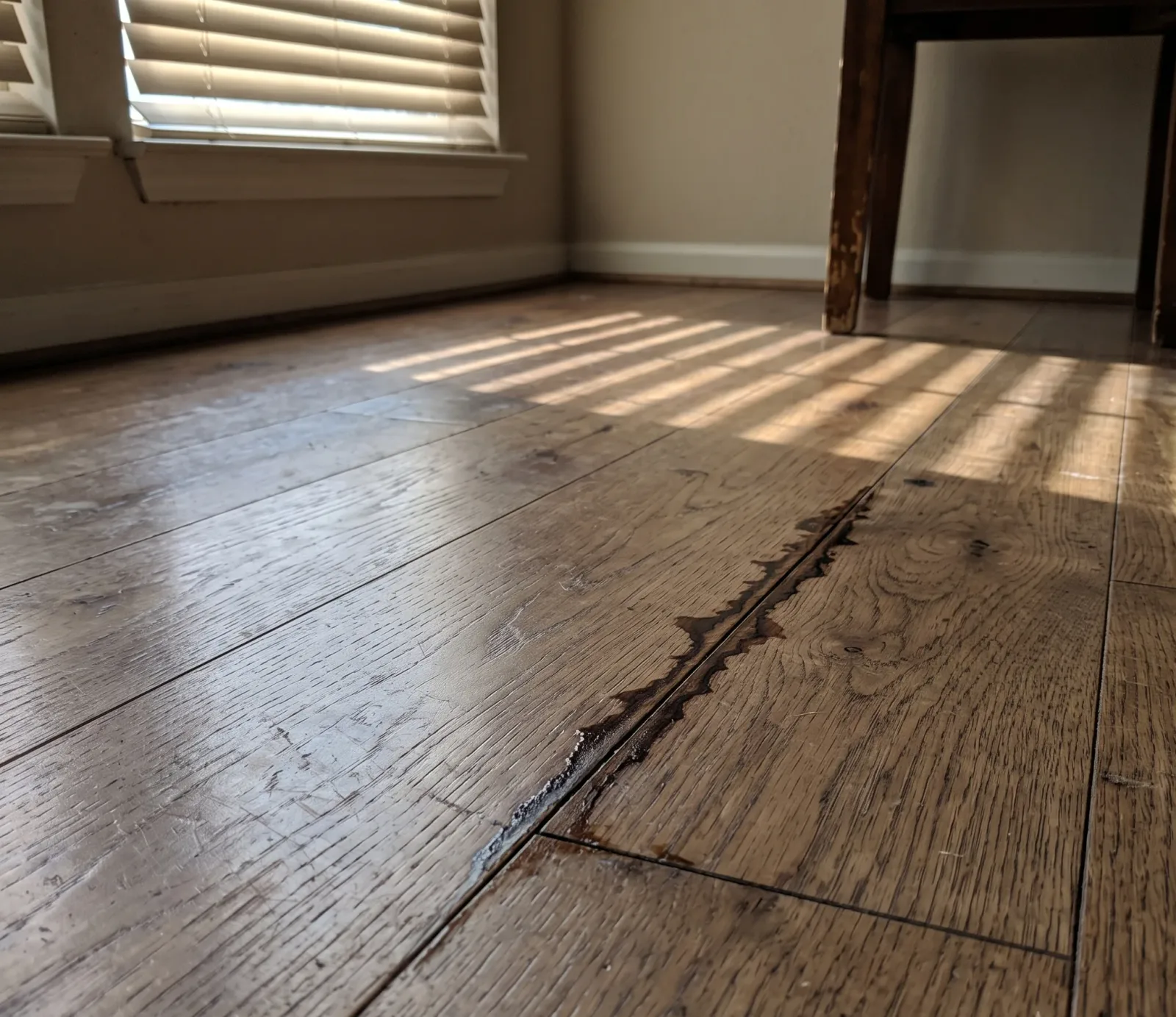
Surface water removal shaped by your hardwood and the depth of the water
View Hardwood Floor Water Extraction help in CentennialOffices, shops, and warehouses in Centennial can ask what records will be provided before work begins. Depending on the job, those may include a written scope, photos, or moisture readings. A site near Park Meadows Retail Resort may have several affected rooms, so ask that the work areas and any remaining concerns be identified clearly. These records can help you explain the water removal to your insurer; they do not promise coverage or reimbursement.
A visible pool may not show how far water has spread beneath floors or inside walls. In Centennial, ask the pros we connect you with to describe the areas they handled and share available records with you. If an inspector is assessing a site near Fitzsimons Innovation Community, confirm what the inspection requires and whether the inspector needs to see conditions before removal begins. Inspection findings, repairs, and extraction may be separate work.
After-hours requests depend on the provider, so confirm when calls are answered, how a request is routed, and whether service is available at your address. Do not assume a particular arrival time. When you call, note whether water is still entering the building. For a Centennial business with a late shift near Bison Ridge Recreation Center, a written contact and access plan can help staff know what to do.
It may, if the agreement spells out each address and the work included. For Centennial businesses with sites in more than one area, ask how requests are approved, who can authorize access, and whether after-hours handling is included. Check whether each incident receives its own written scope and records. Do not assume an agreement includes source repairs, contaminated-water cleanup, drying, or rebuilding; those may require separate arrangements.
For Commercial emergency water extraction, the estimate is $700–$1,400 per visit. A shallow pool in an open area differs from water across several materials, and access and scope matter too; the pros we connect you with confirm the figure.
Price depends on how much water is pooled, which rooms it has reached, and whether you need extraction alone or moisture checks and drying equipment afterward. For a Centennial estimate, tell the pros we connect you with what you can see, when the water appeared, and whether its source is still active. Photos can help describe affected materials. Ask for the removal work and any follow-on drying to be shown separately, so you can compare what each estimate includes before arranging a visit. Photos can help show which rooms the water has reached.
Call (303) 647-3932