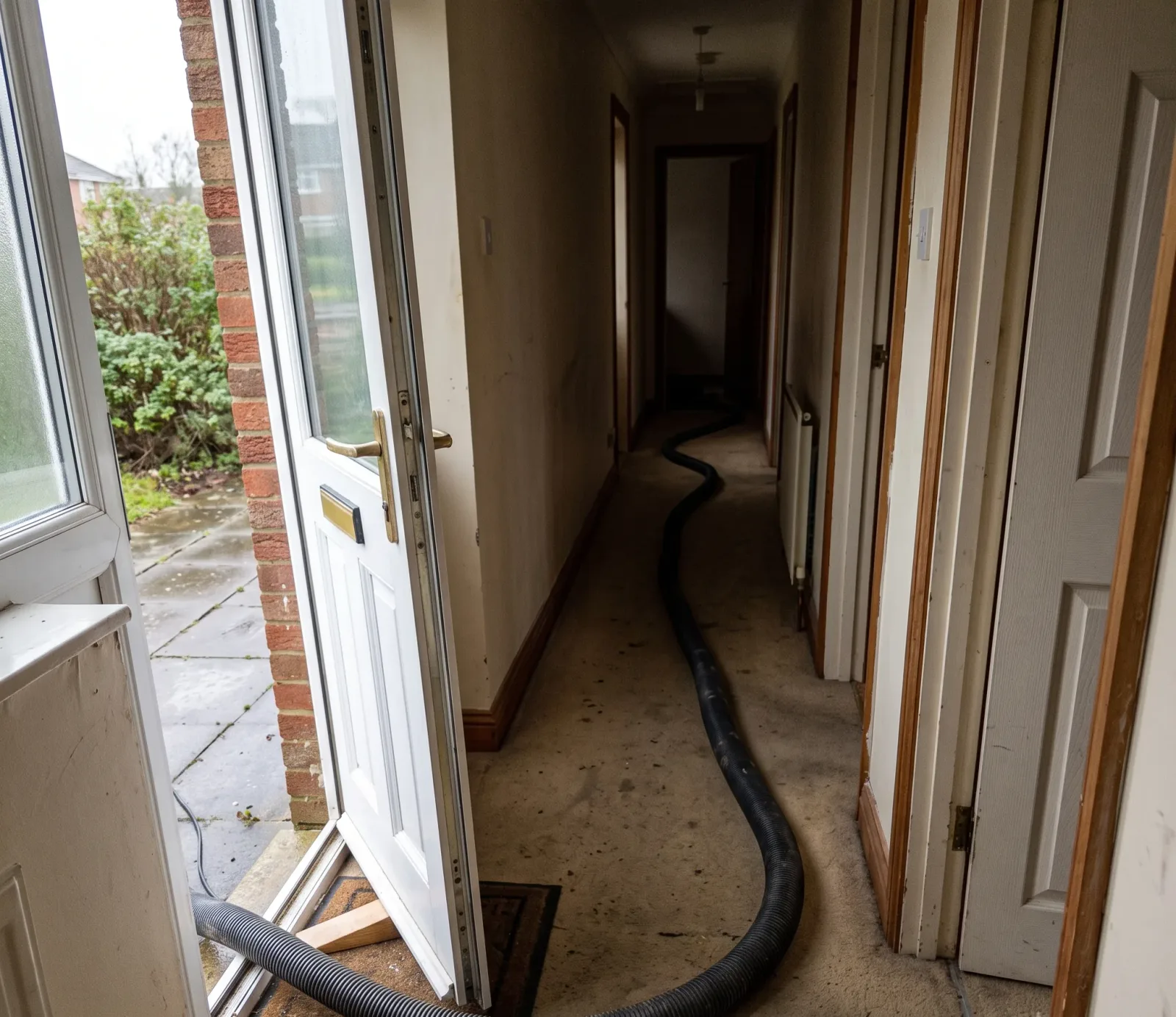
Emergency Response Time
How soon can extraction help reach your Centennial address? Learn what affects provider availability, what details to share, and how to ask for a current estimate.
Read article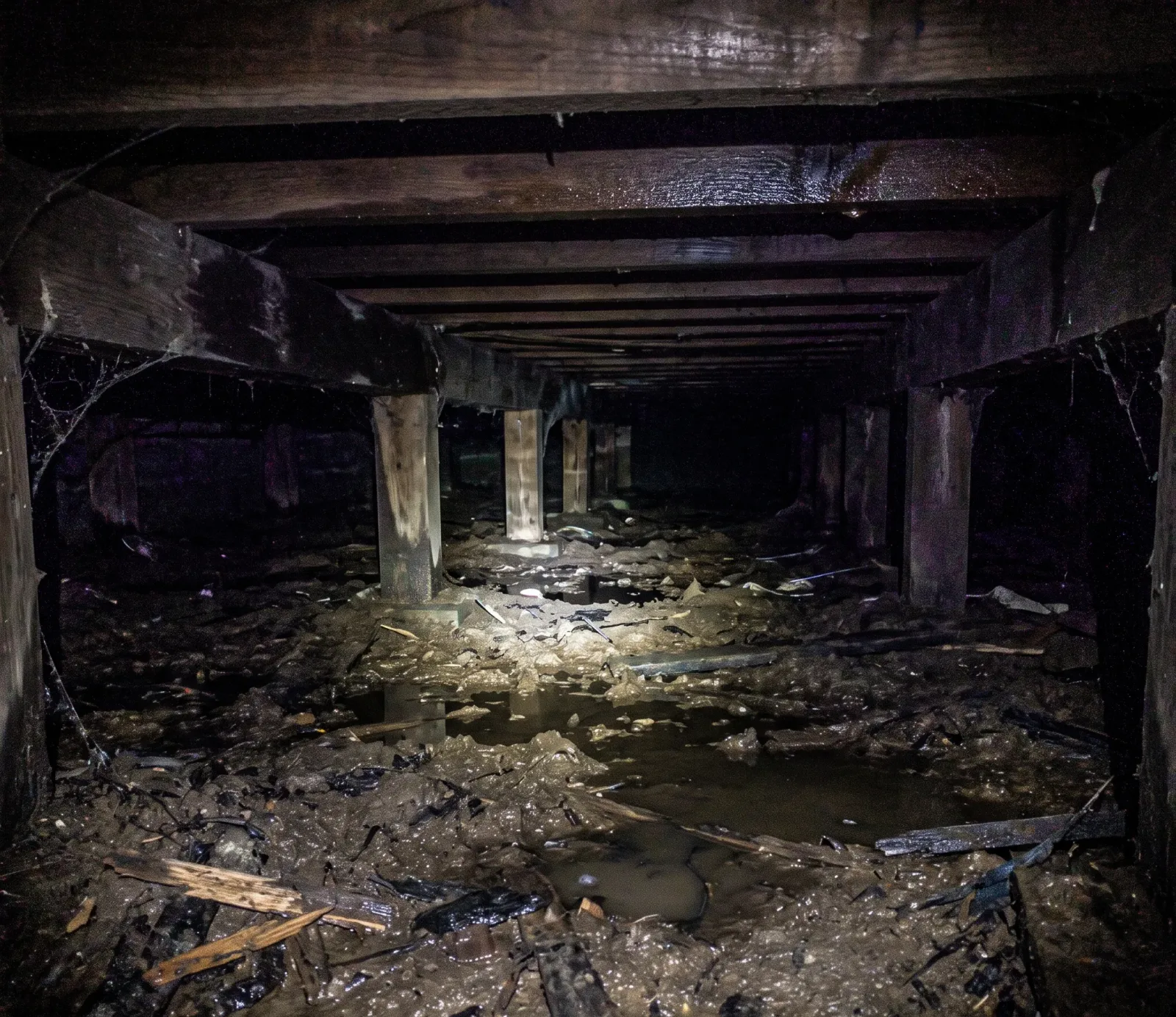
Pooled crawl-space water removed with access and safety in view
After a hard rain or a quick thaw, you may find water pooled below the floor, where a crawl-space hatch opens onto damp soil and joists. In Centennial, the amount you can see from the entrance may not show how far water reaches under the house. When you call, describe the hatch location, the visible depth and extent of the pooling, and any tight turns or low clearance. You can give a reference point such as Park Meadows Retail Resort to help identify the area. Stay out if entry or utilities may be unsafe.
The pros we connect you with first look at the route in, available clearance, and visible water, then choose equipment that can reach the pooled area. A pump may suit a larger open section; a wet vacuum can fit some tighter spaces. In Centennial, the hatch position and distance from an accessible work area can affect setup, labor, and time on site. If the water cannot be reached safely, work may need to wait for a qualified assessment. Once visible water is removed, moisture checks and drying can follow as separate steps.
For homes and businesses in Centennial and Parker, Englewood mailing area and Littleton mailing area, Crawl Space Water Extraction addresses standing water; a basement spill and a wet work area can call for different removal scopes.
For a place you live in, start with residential emergency water extraction; if you manage a business or rental, commercial emergency water extraction describes that property’s water-removal scope.
A flashlight may show a shallow sheen near the hatch that deepens farther beneath the house. That change matters: water can spread past the part you can see, and the equipment must reach the pooled area. Tell the pros we connect you with where the water starts and how far it appears to extend. In Centennial, a reference such as Roxborough State Park can help describe your general location, while the hatch and water details help plan the visit.
A low opening, narrow path, or ductwork close to the ground can make a crawl space hard to enter even when the water looks manageable. Don’t squeeze through or step into pooled water to get a better look. Wet outlets, wiring, or equipment raise electrical concerns, and unstable conditions add another reason to stay back. Moisture can also remain in insulation or other materials even when standing water is limited.
A water line on a pier or soil, or debris gathered against an obstruction, can show that pooling reaches beyond the open area. Share those visible details when arranging an assessment; they help the pros we connect you with judge how to position a pump or wet vacuum and whether access is adequate. If the water looks or smells unusual, mention that before work begins. Keep people and pets away from the crawl-space opening until the area can be checked.
The entry, clearance, visible water, and nearby utilities are checked first to judge whether the crawl space can be reached safely.
The pooled area and route from the hatch guide equipment choice, setup, and the removal plan.
A pump or wet vacuum removes accessible standing water, with the method matched to the space and reach.
After removal, the scope is documented and separate moisture checks or drying can be discussed if needed.
Crawl spaces hide water beneath the rooms where you notice its effects, so a clear view from the hatch can be misleading. In Centennial, low clearance, stored items, or a distant pool can change how safely equipment reaches it and how long removal takes. Getting the visible conditions and entry details right helps define the work before it begins. After pooled water is gone, separate checks can identify whether materials need further attention.
Centennial addresses can sit on different sides of a large service area, so give a clear location reference when arranging a visit. Park Meadows Retail Resort or South Platte Historical Park may help explain your general direction, but the exact address and crawl-space entry point matter for planning access. The crawl-space layout can affect how far removal equipment must reach beyond the entry. Those details help set a realistic scope before removal starts.
Ask for a written scope that identifies the pooled area to be cleared, the removal method, and any access limits found on arrival. Emergency water extraction removes standing water; it does not establish that materials are dry or restore the space. After removal, moisture assessment and drying may be separate work. Keep the estimate and any photos or notes about visible conditions for your records. Ask whether the scope includes removing wet debris or only extracting standing water.
In Centennial, Crawl Space Water Extraction ranges are estimates because one wet room differs from a waterlogged lower level; the pros we connect you with confirm charges and scope in writing.
| Affected Areas | Water Removal | Drying Needs |
|---|---|---|
| Confined area | Pooled water cleared from a limited floor area | an estimated $800–$1,600 |
| One room | Standing water removal from one limited interior space | an estimated $920–$2,080 |
| Connected rooms | Standing water extracted from a single affected section | an estimated $800–$1,600 |
| Extensive area | One contained area cleared of accessible standing water | an estimated $1,920–$6,400 |
The estimate should make clear whether it covers pooled water removal alone or includes added assessment and drying. Fixing the water source, handling contaminated water, and rebuilding are separate work that can change a broader project total. Review written scope details alongside the full pricing guide.
Cost depends on how much water is pooled, how far it extends, and whether the hatch allows equipment through. A clear, open route can make setup simpler; tight clearance or obstructions may add handling time. In Centennial, describe the entry and visible water when you call, and ask for a written scope showing what area the estimate covers.
The method depends on the space and where the water sits. A pump can move pooled water in a more open section, while a wet vacuum may be suited to a smaller or tighter area. The pros we connect you with can check the entry and reach before choosing equipment. Tell them about low beams, ducts, or narrow turns.
There isn’t a reliable time estimate from the water depth alone. The size of the pooled area, route to the hatch, clearance, and distance equipment must reach all affect the work. If access is obstructed, setup can take longer or require another plan. Share what you can see from outside, then ask for an estimate after the space is assessed.
You don’t need to enter to prepare. Note where the crawl-space hatch is, whether it is blocked, and what pooled water you can see from a safe position. A reference point such as Bison Ridge Recreation Center may help explain your general location. Don’t move equipment or belongings through standing water; mention any access concerns when arranging the visit.
Keep away from the water if outlets, wiring, appliances, or other electrical equipment may be wet. Don’t enter the crawl space or touch equipment to investigate. Tell the pros we connect you with what you can see and wait for qualified guidance about safety before access or removal is planned.
Visible pooling can be removed with equipment suited to the space, but the cleared surface does not prove nearby materials are dry. Ask what follow-up moisture assessment is available and whether drying would be a separate step. Keep the removal scope and any photos for your records; repairs to the water source or rebuilding require separate work.
An estimate for Crawl space water extraction is $700–$1,400 for this work. Water volume, affected materials, access, and scope can shift the figure; the pros we connect you with confirm it.
Before calling, know where water removal ends and which follow-up work may need separate attention.
How soon can extraction help reach your Centennial address? Learn what affects provider availability, what details to share, and how to ask for a current estimate.
Read article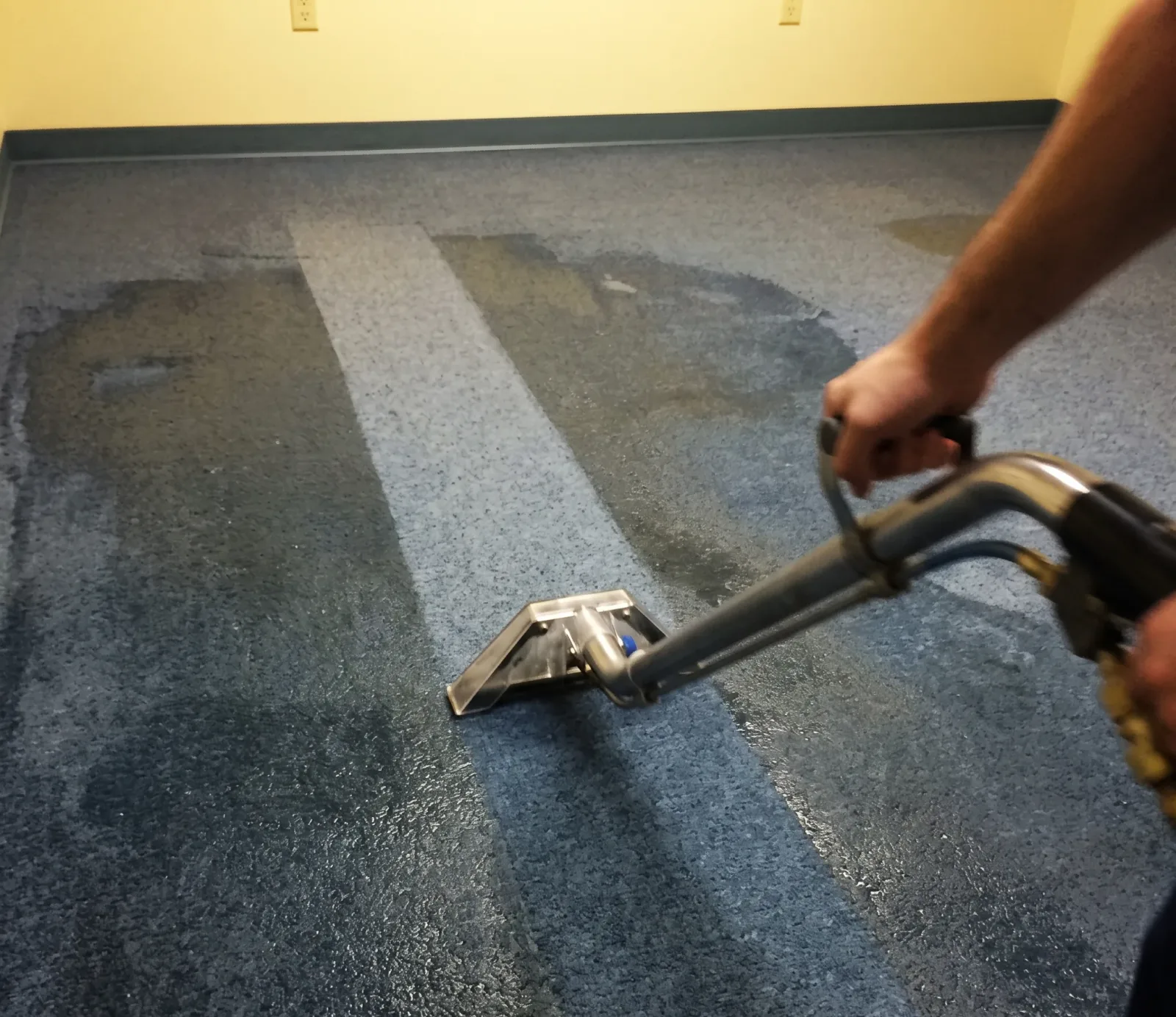
How long does emergency water extraction take in Centennial? Learn what affects the estimate, how scope shapes the work, and what to ask local pros.
Read article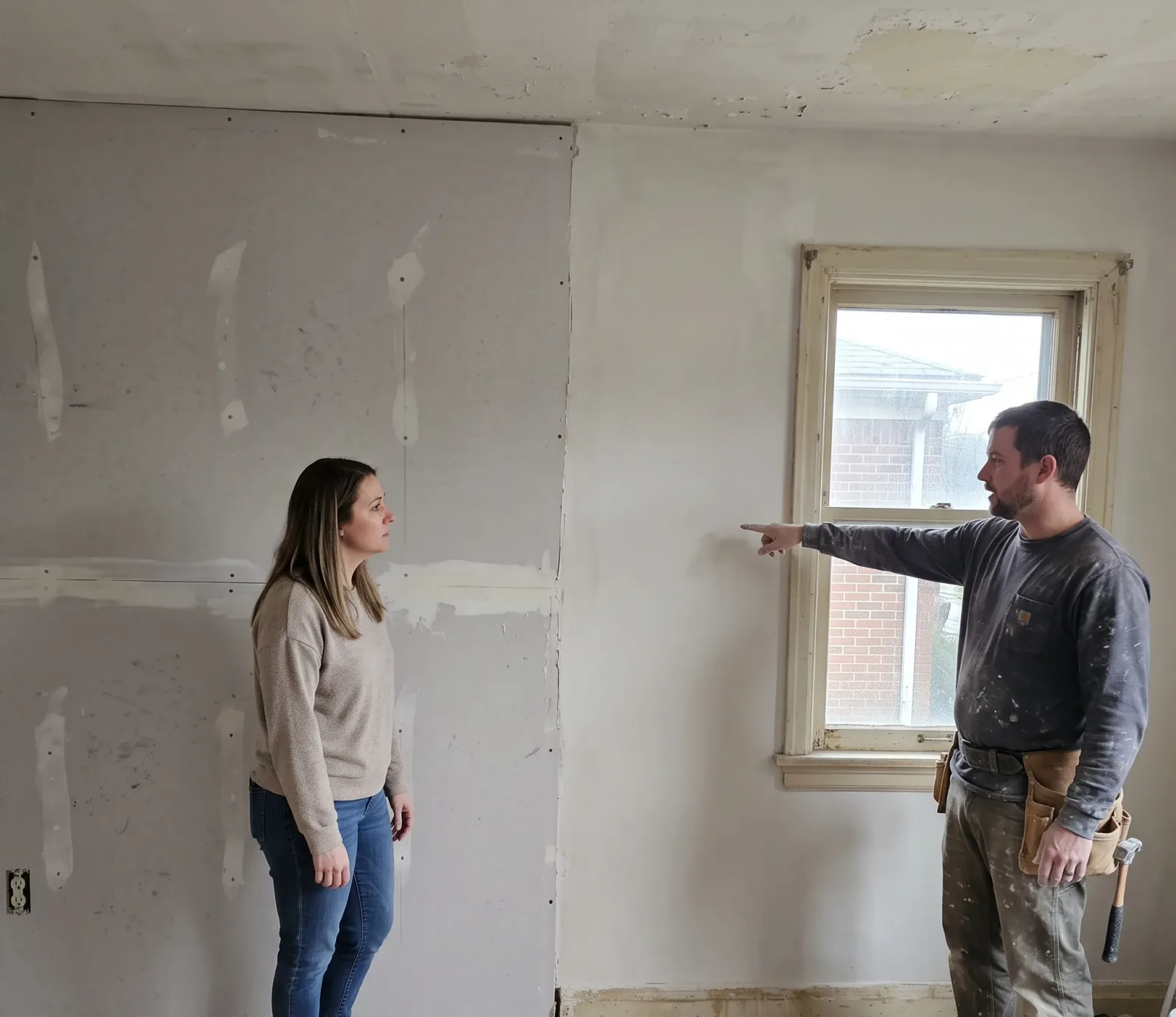
When is walking through water-damaged rooms unsafe? Learn the warning signs and how to keep people and pets away while a qualified professional assesses the area.
Read articleA wet room in Centennial can look clear after pooling is removed while dampness remains in flooring or other materials. Tell the pros we connect you with which areas you can see are affected and what you know about the intrusion. Ask whether they serve the address, what timing and visit charges apply, and request the proposed work in writing. Confirm whether moisture assessment and drying equipment are included or separate, so the estimate spells out where water removal ends and follow-up work begins.
Call (303) 647-3932