Healthcare Facility Water Extraction
Healthcare Water Removal
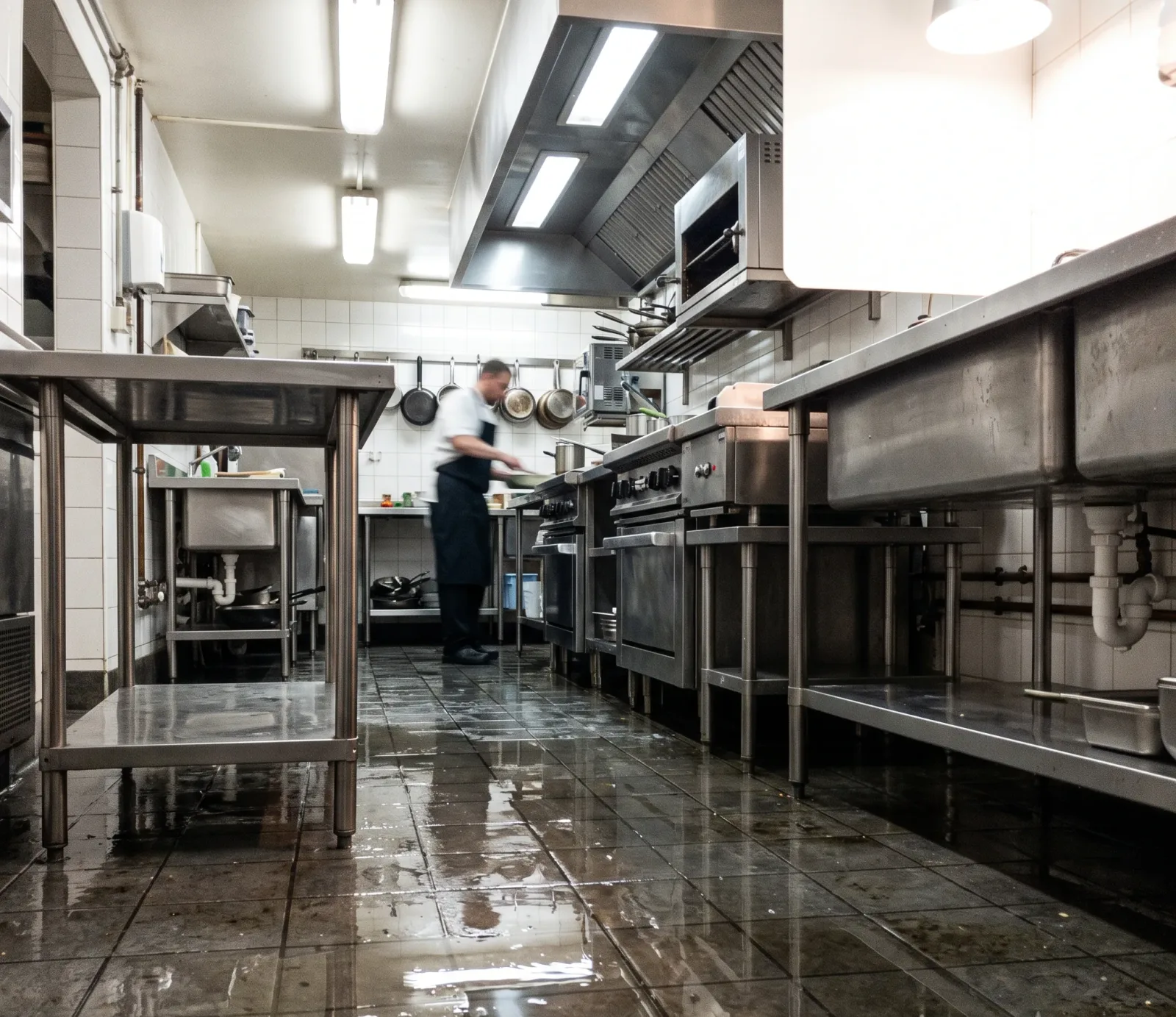
A practical guide to removing standing water from restaurant dining, kitchen, and service zones in Centennial.
Restaurant water extraction removes pooled water from affected dining, kitchen, and service areas, using pumps or wet vacuums as needed. The operator and provider should map the wet zones, coordinate routes and closures, and clarify the removal scope. Move loose mats and small items out of wet paths when it is safe to do so.
A leak that remains active can keep adding water while visible pools are being removed. A shallow pool in an open dining area calls for a different work plan than water spread beneath fixed equipment or into a service passage. Share the affected zones and access limits with the pros we connect you with so they can discuss a useful scope and what may affect the estimate.
Start with what staff can see: water at table bases, a wet path toward the kitchen, or pooling near a service counter. Those clues help you map where extraction may be needed, but visible edges may not show every affected spot. In Centennial, note the rooms or work areas involved and whether staff can safely reach them. If water is near outlets, appliances, or wiring, keep people clear and seek qualified help before anyone enters the area.
Restaurant water extraction is the removal of standing water from affected restaurant areas after an intrusion. The pros we connect you with may use pumps or wet vacuums, depending on the water and the work area. Commercial kitchen water removal can involve a different access plan from dining-room work because equipment and active service routes may limit movement. Extraction addresses pooled water; it does not by itself show that floors or other materials are dry or restored.
A practical zone list might separate dining space, kitchen work area, dish or prep area, and service route rather than labeling the whole restaurant as one affected room. In Centennial, mark which areas contain visible water and where staff noticed dampness beyond it. This gives the pros we connect you with a clearer starting point for discussing the work boundary. It also helps you coordinate which operations need to pause or move while an affected area is accessed.
Access shapes the work. A clear entrance and open path make it easier to bring equipment to a wet dining area; a narrow passage or crowded kitchen can require coordination around staff movement and equipment. Before discussing scope, note where water is standing, which routes are available, and any times when an area can be cleared. If you are coordinating a Centennial location by reference to the Colorado State Capitol or Swedish Medical Center, confirm the street address directly; a landmark is not an access plan.
| Restaurant zone | Water impact | Access note |
|---|---|---|
| Dining room | Pool depth and spread beneath tables | Furniture movement and guest access |
| Kitchen line | Water around fixed cooking equipment | Safe route around appliances |
| Prep area | Pooled water across open floor | Clear access between workstations |
| Dish area | Water near sinks and floor drains | Wet equipment and tight clearances |
| Walk-in threshold | Water at door and floor edge | Door swing and stock access |
| Service corridor | Water along staff travel paths | Keep an alternate route open |
| Storage area | Water beneath shelving or stored items | Moveable contents and floor coverage |
| Receiving area | Water at the loading entrance | Delivery access and equipment path |
The first visit should establish what is included in water removal: the areas with pooled water, the access needed, and the limits of the extraction work. Ask the pros we connect you with to explain the proposed work in plain terms, especially where dining and kitchen areas meet. For a Centennial restaurant, this conversation can help you coordinate affected-area access with operations. Source repair, sewage cleanup, mold remediation, and rebuilding are separate work scopes.
Listen for a clear distinction between visible water removal and follow-up. Once pooled water is removed, moisture may remain in flooring or other materials, so assessment and drying equipment may be considered as separate steps. A dry-looking surface is not proof that everything beneath or nearby is dry. In Centennial, ask which areas are expected to need further attention and who will explain that next step, so extraction and reopening decisions are not treated as the same decision.
The amount of water and the reach of the affected area can change the equipment and time needed, while blocked routes can add coordination. That is why a brief description such as “the kitchen is wet” may not be enough to discuss a useful scope. In Centennial, describe where water is pooled, where it appears to have spread, and which areas must remain accessible for operations. The pros we connect you with can use those details to discuss the work and its cost drivers.
For a lease, insurer, or inspector conversation, keep the water-removal scope distinct from decisions about repairs or reopening. A written estimate and a simple record of the affected areas can help you explain what work was discussed; photos or moisture readings may also help show conditions and remaining concerns. In Centennial, ask the provider what they can document as part of extraction. This page is about coordinating restaurant water removal, not deciding what a lease or policy requires.
Documentation is most useful when it matches the areas people actually discuss. If a dining room, kitchen, and service path have different access limits, identify them separately in your notes and compare that list with the proposed scope. A reference such as Fort Lupton City Museum may help distinguish a location in a conversation, but use the restaurant address for records and coordination. For a Centennial site, keep any insurer, lease, or inspection questions with the relevant party rather than assuming extraction answers them.
If you hear a pump or wet vacuum stop and the visible pool is gone, extraction may be complete for that area, but moisture can remain in materials. Ask what moisture checks are available and whether drying equipment is recommended as follow-up. In Centennial, make sure the answer distinguishes work already included from work that would need separate discussion. That clarity helps you plan access and operating decisions without treating water removal as proof that the space is ready for use.
Water that reaches flooring seams or wall bases may stay out of view after surface water is removed. That condition changes the scope, and contaminated-water cleanup needs separate attention from ordinary standing-water extraction. Keep people away from an area if electrical safety or structural stability is uncertain, and follow local emergency guidance. In Centennial, staff observations about the water and the affected zone can help the pros we connect you with understand what they are being asked to assess before work is planned.
Before calling, gather the restaurant address, a short list of affected zones, what staff observed, and the routes or work areas that need coordination. You do not need to guess how far water traveled; describe what is visible and what remains uncertain. If you use Aurora Fox Arts Center or Rocky Mountain Arsenal as a location reference, still confirm the exact address. For a Centennial restaurant, these details help an independent extraction provider discuss scope, access, documentation, and likely cost factors.
After the call, compare the proposed extraction boundary with your zone list and note any area that was not assessed or could not be reached. Ask how remaining moisture and drying will be handled, and whether the written scope can identify the water-removal work for your records. Then coordinate access with the people responsible for restaurant operations, the lease, insurance, or inspection questions. In Centennial, that leaves you with a clear next step: review the scope and arrange the work-area access it requires.
A clear site sketch can keep a restaurant water emergency from becoming a routing problem. Mark which entrance the pros we connect you with can use, where staff and deliveries need to pass, and which dining, kitchen, and service zones are closed. Record where water first appeared and whether the source is still active, giving the provider useful context before the removal plan is set. In Centennial, that simple map gives everyone a shared picture before extraction starts.
Homes and businesses with standing water can check whether extraction is offered in their part of the county, with coverage extending toLittleton mailing area, Lone Tree and Parker. Confirm any travel fee before scheduling, and ask for a written estimate that distinguishes urgent water removal from separate drying work.
For commercial properties, extraction is generally quoted per visit, with the affected area and how often service is needed shaping the scope. $700–$1,400 offers a guide; water volume, access around equipment, and whether moisture checks or drying are requested can change the written estimate.Water near electrical equipment or machinery can affect how removal is approached, so mention nearby hazards and sensitive contents when discussing the work with the licensed pros we connect you with. When you call, describe the space, standing water, access limits, and any active water source so the pros we connect you with can provide a written estimate.Full ranges are listed in the pricing guide; the commercial overview describes urgent water removal and possible follow-up for moisture left behind.
Healthcare Water Removal
School Water Extraction
Centennial Hotel Water Removal
Start with the places where water is visible: dining floor, kitchen, dish area, and service paths. Then note adjacent rooms or storage where water may have moved, even if the surface looks dry. In Centennial, a marked sketch helps the pros we connect you with understand which zones need attention and which routes staff must keep clear. Extraction removes pooled water; checking the listed areas helps define the work boundary.
Sometimes, but only if the work zone can be separated safely and operations can stay clear of it. A dining room may be closed while another part of the restaurant remains in use, depending on where water sits and how equipment must be positioned. Tell the provider about service hours, deliveries, and staff routes. In Centennial, agree on a practical work window before extraction begins so the plan fits the operation.
No. Removing visible water from a kitchen floor does not show whether moisture remains beneath flooring, behind trim, or in nearby materials. Move exposed food, utensils, and small equipment away from wet surfaces so the operator can consider them separately. That distinction matters in Centennial kitchens, where a floor can look clear while dampness remains out of sight. Drying, source repair, and other restoration work may be separate scopes.
The work generally covers removing pooled water from the agreed affected zones. Before it starts, clarify whether the estimate includes the dining floor, kitchen, service corridors, or adjacent spaces, and how the work area will be marked. In Centennial, make sure the person coordinating the restaurant can confirm those boundaries with staff. Confirm who can authorize access to locked rooms or restricted service areas before opening the work area.
List the wet zones, staff routes, and operating limits, then ask an independent extraction provider to review scope and coordination for your Centennial restaurant.
Call (303) 647-3932