What Shapes the Cost of Water Removal
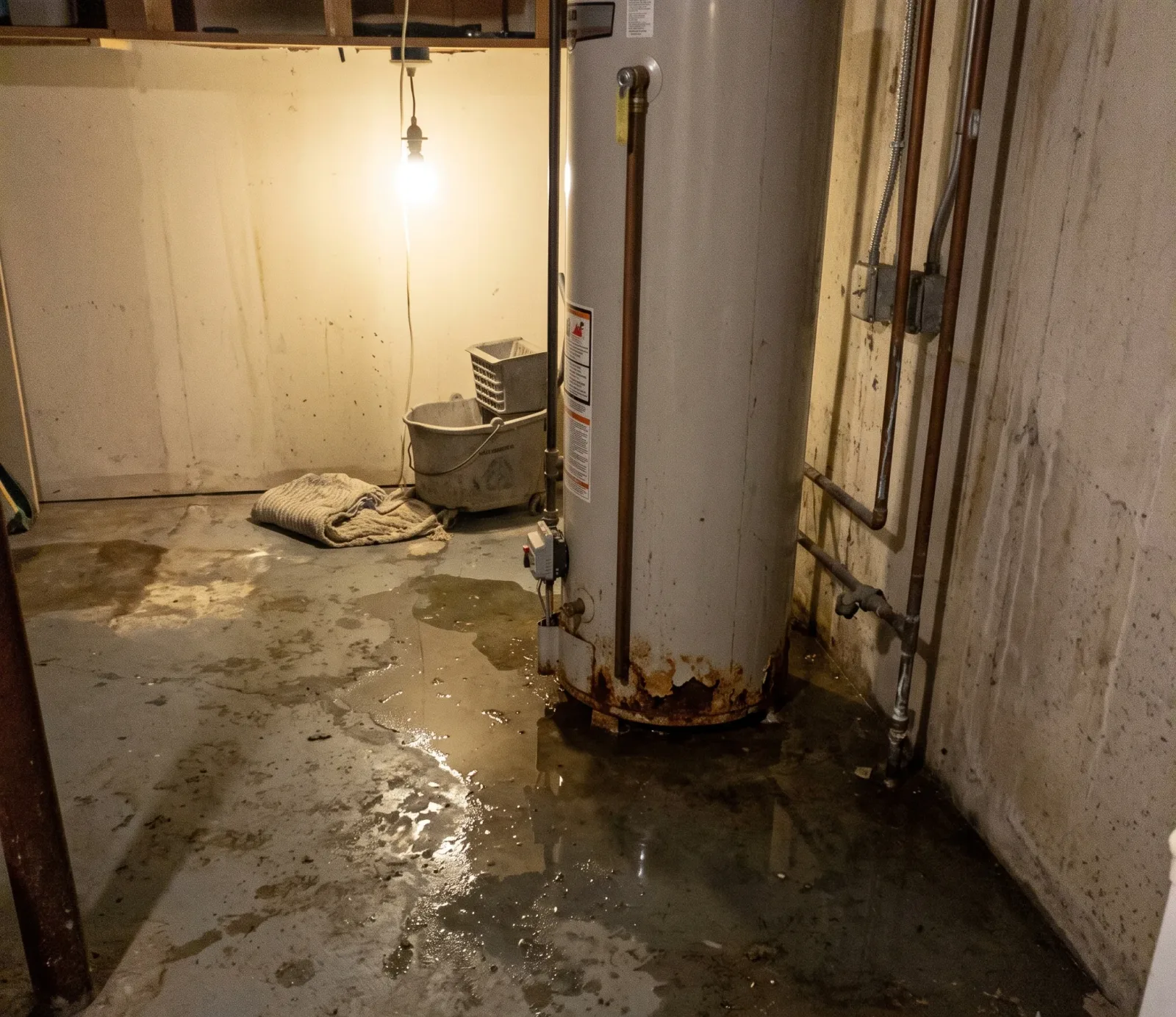
In Centennial, a heater tucked into a basement utility space can leave little room to reach the wet floor. The position of shelving, boxes, or a narrow doorway may affect how equipment reaches the water, so describe the access route when calling.
A slow leak can leave damp materials beneath finished surfaces even when the first visible stain appears small. Regional weather and waterways make water intrusion locally relevant, though exposure varies by property. For a heater leak, the street address and the water’s path through the home shape the work.
Calls reach us from throughout Centennial and Arapahoe, but postal names and local jurisdictions can overlap. Before making plans, provide the complete address so the pros we connect you with can confirm whether they can take a call from that location.
Tools Used to Remove Water
- COST DRIVERS
- A pump or wet vacuum can lift pooled water from the basement floor around the heater once the area is safe to approach.
- WATER SPREAD
- Water that reaches a wall edge or doorway may extend the affected area beyond the spot where it first appeared.
- SAFE ACCESS
- Boxes and fabric beside the unit can show how far water reached and may need separate attention if they became wet.
- NEARBY WALLS
- Wet outlets, appliances, or wiring call for caution; do not enter standing water to inspect or move equipment.
- NEXT STEP
- After removal, ask whether damp materials near the heater will be checked and whether any drying work is a separate step.
- Cost Factors
- Centennial's seasonal weather can shape when residents notice a leak, but it cannot show how far water traveled indoors. The heater's location, floor layout, and visible wet areas are more useful clues when arranging extraction and checking adjacent materials.
- WATER AMOUNT
- an estimated $700–$1,400
What Water Extraction Leaves for Later
Water heater repair addresses the appliance or its leak. Extraction addresses pooled water already on the floor, so a repair visit and water removal may involve separate work. A wet floor can remain after a leak stops, so the puddle alone does not show whether the heater is still leaking. The heater's tank and connected pipes identify the appliance, while the extraction work follows the water's path across the room.
Equipment Used During Water Extraction
The provider first checks the reported water path, floor access, and any nearby wet surfaces, while confirming the area can be approached safely. The amount and spread of standing water help determine where extraction equipment can be positioned and which floor areas need attention.
A pump or wet vacuum removes pooled water from the affected floor. Afterward, moisture checks can identify damp areas at nearby wall edges or around stored belongings. Water can also collect beneath floor coverings, where it is less visible than a puddle on the surface.
Cost follows the size and reach of the water, not just what you see at the doorway. One visit can suit a confined area; water spread across rooms or moisture left in materials may mean a plan with later checks or drying. Ask which steps are included and which are separate.
WHAT COMES AFTER STANDING WATER IS REMOVED
| Water Removed |
Frequent Initial Step |
|---|
| Standing water needing urgent extraction | Separate source repair |
| Standing water returns after removal | post-extraction moisture checks |
| Water covering multiple areas beyond one isolated pool | Water removal, drying setup |
Move Dry Belongings Away
If the area is dry and safely reachable, note the heater's location and the visible water path, then keep people and pets away. Shut off a water supply only if its control is plainly accessible and safe to reach. Do not enter standing water or handle wet electrical equipment; leave extraction and safety checks to qualified help.
Moisture Left After Water Removal
Standing water near a water heater can be an electrical hazard. If the floor is wet around outlets, appliances, or wiring, keep everyone clear; do not enter to inspect or move equipment. When you cannot confirm the area is safe, wait for qualified guidance. Tell the provider what electrical items may have been exposed before work starts.
Understand Where Extraction Ends And Drying Begins
Water volume, spread, room access, and equipment requirements all affect the estimate. Share those details with the pros we connect you with and ask for the scope in writing.A musty odor or damp feeling after visible water is gone can signal moisture remains in flooring or walls, even when the puddle itself no longer shows how far it traveled. Any guide here describes extraction; drying, source repair, sewage cleanup, mold work, and rebuilding are separate. Ask for written details to confirm visit charges and the exact scope.Compare full price ranges through pricing guide; find urgent standing-water removal details at Basement Water Extraction.