School and Campus Water Extraction
School Water Extraction
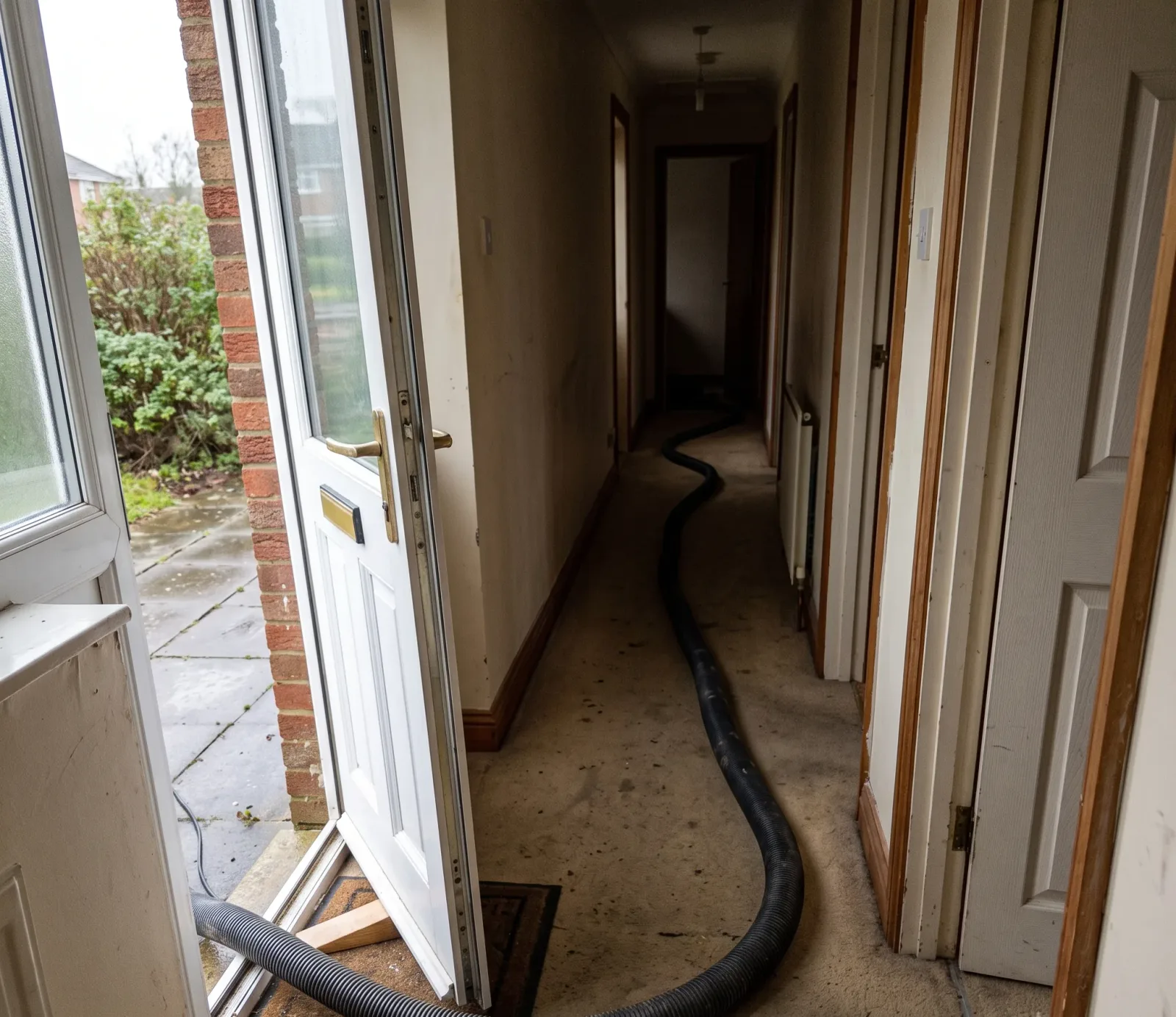
Plan the work zone, staff handoffs, and guest routes before standing-water removal begins.
Hotels can arrange emergency water removal by identifying wet areas, access limits, and guest routes, then coordinating the work zone with facilities and operations. Ask the pros we connect you with to explain the proposed scope and areas that must remain clear.
Water can come from a pipe leak, a roof opening, or an overflow, so identifying its source adds context beyond measuring visible pooling. A wet service corridor and water spread across guest rooms create different work plans. Hotel water extraction removes pooled water; it does not by itself establish that the building is dry or ready for normal use. Start by identifying the affected areas and access limits, then ask an independent provider what the proposed scope includes.
Hotel water extraction costs in Centennial depend on how many guest rooms, corridors, or service areas have pooled water, and whether operations can keep unaffected spaces open. When you call, give the pros we connect you with a room-level map, current access limits, and the person who can authorize entry; that helps define a workable sequence. Keep a handoff record of areas entered and water removed. Centennial, Great Outdoors Waterpark, or Highlands Ranch Library can serve as location references only when they genuinely clarify the property’s location. Water removal alone does not establish that materials are dry.
The goal is to remove standing water while keeping the rest of the hotel workable. That takes coordination between the provider and the people who know the building: facilities, front desk, housekeeping, and operations. A single contact can confirm which areas are open, where access is restricted, and who can approve changes as the work proceeds. For a Centennial property, agree on that contact before arrival so questions about rooms, routes, or service areas do not stall the removal.
Map the affected area before deciding how to route people around it. A damp patch at a doorway may be the visible edge of a larger area, while pooled water in a service space may be contained behind a closed door. Mark the rooms, corridors, and shared areas that need attention, then identify alternate routes for guests and staff. Centennial hotel teams can use a simple floor plan during the call so the proposed work area and its boundaries are easy to discuss.
Guest access needs its own plan. Tell the provider when check-in traffic, meal service, housekeeping rounds, or other busy periods make a corridor hard to close. Then discuss barriers, signs, and an alternate path around the work area. Keep directions plain: where the restriction starts, which route remains open, and whom guests should ask for help. If visitors need a landmark in written directions, use one only when it genuinely helps them locate the Centennial property; a nearby reference such as Highlands Ranch Library should not be assumed.
| Area | Access needs | Work notes |
|---|---|---|
| Affected zone | Room, corridor, or service area | Keeps the work boundary clear |
| Water location | Visible pooling and nearby areas | Helps define the proposed scope |
| Guest routes | Open paths around the work zone | Supports front desk directions |
| Staff access | Service entries and work routes | Limits interference with hotel tasks |
| Room status | Rooms needing restricted access | Helps operations plan occupancy |
| Work timing | Expected arrival and active work window | Lets teams coordinate guest notices |
| Work performed | Areas reached and water removed | Creates a useful follow-up record |
| Open concerns | Unresolved water source or damp materials | Flags separate follow-up needs |
Facilities staff can help the provider reach the affected space without opening unnecessary routes through the hotel. Point out service entrances, access controls, elevators, and any areas where equipment cannot be staged. Ask where hoses, cords, or wet-vacuum equipment would run, and whether those paths cross guest traffic. The answers can affect both the work plan and the disruption. At a Centennial hotel, agree on who will open restricted doors and escort access before extraction begins.
The sound and movement of equipment may be noticeable even when the work stays behind a closed door. Ask the provider which areas need to remain clear, what equipment may be used, and whether work can be sequenced to reduce interference with hotel operations. Pumps or wet vacuums may remove standing water from affected areas. That practical discussion helps the operations lead decide whether to adjust room assignments or staff routes while the work is underway.
Safety sets the boundary for guest convenience. If water is near electrical outlets, appliances, or wiring, do not let guests or staff cross it while its safety is uncertain. Keep the area closed and seek qualified help to assess it. The same goes for signs of structural damage. A quick reroute may be inconvenient, but it gives the pros we connect you with a safer area to assess and keeps hotel staff from taking on a hazard outside their role.
When more than one area is affected, ask which locations the provider plans to address first and what access each one requires. The order may depend on where water is pooled and which spaces can be reached safely; the provider should explain its proposed sequence. A Centennial facilities lead can then coordinate room closures, staff coverage, and access to shared spaces around that plan. If conditions change, have one hotel contact update both operations and the provider.
A clear scope makes handoffs easier. Ask the provider to identify the affected locations included in the removal work and to say what falls outside it. Repairing the leak or other source is separate, as are work such as sewage cleanup or rebuilding. Ask whether furniture and other contents need to be moved or protected before water removal begins. This conversation helps Centennial hotel staff send each issue to the right party.
Keep a simple work record for the hotel team: the locations identified, access restrictions, and the work the provider says was performed. That gives facilities and operations a shared account to use during shift changes and when deciding what areas can reopen. If the hotel is coordinating with an insurer, ask what supporting information is needed and who should receive it. The pros we connect you with can clarify the scope they describe; hotel staff can preserve the related communications.
Insurance follow-up is easier when the hotel can connect the reported water event to the work performed. Ask the provider for a written estimate and documentation of the removal work, then keep those items with the hotel's incident notes and any relevant photographs. Do not treat a cleared floor as proof that all concerns are resolved. Centennial operations staff should route questions about coverage or claim requirements to the insurer, which can explain what it needs for its review.
Once visible water is removed, ask what the provider observed and what follow-up remains outside the removal scope. Moisture can remain in floors or other materials, and assessing or drying those materials is separate work. Repairs to the source also need separate attention if water is still entering. This distinction helps a Centennial hotel avoid reopening an area based only on appearance and gives facilities a concrete list of items to coordinate after the urgent removal.
To arrange the work, have the affected-area map, access constraints, and hotel contact ready, then ask an independent extraction provider to explain the proposed scope and coordination needs. Confirm how guest and staff routes will be managed and how changes will be communicated. For a property whose directions refer to a nearby destination such as Swedish Medical Center or Brighton Recreation Center, verify the actual route before sharing it with guests. What areas can remain open during removal, and what follow-up will the assessment call for?
Cost for hotel water extraction shifts with the depth and spread of standing water, the materials involved, and how easily equipment can reach the affected area. In Centennial, a facilities lead can start by noting which rooms or service spaces are wet, where staff can enter, and which guest routes must stay open. That gives the pros we connect you with a practical scope to discuss. Keep extraction planning separate from later drying or repair decisions, and tell operations what areas may be temporarily unavailable.
A pooled floor needs a clear next step: see whether standing-water removal can be arranged for your address across the county, includingEnglewood mailing area, Littleton mailing area and Lone Tree. Check whether an assessment visit carries a charge; have the written estimate spell out extraction work and list any drying costs separately.
For commercial properties, extraction is generally quoted per visit, with the affected area and how often service is needed shaping the scope. $700–$1,400 offers a guide; water volume, access around equipment, and whether moisture checks or drying are requested can change the written estimate.Water near electrical equipment or machinery can affect how removal is approached, so mention nearby hazards and sensitive contents when discussing the work with the licensed pros we connect you with. When you call, describe the space, standing water, access limits, and any active water source so the pros we connect you with can provide a written estimate.Full ranges are listed in the pricing guide; the commercial overview describes urgent water removal and possible follow-up for moisture left behind.
School Water Extraction
Restaurant Water Removal
Healthcare Water Removal
Set a clear boundary around the wet area and keep guests and staff out of it until the work zone is assessed. In Centennial, coordinate with the front desk, facilities, and the extraction provider so guests can use alternate routes without crossing hoses or equipment. Flag elevators, service corridors, or entrances that may be affected, and agree on how the boundary will be marked before work begins.
Share the affected rooms, operating schedule, and access limits with the provider before work is arranged. In Centennial, facilities and operations can identify quieter periods for work near guest areas, while keeping essential staff routes available. The amount and location of standing water, the materials involved, and equipment access can affect how long areas are occupied. Confirm which spaces need to be cleared during extraction.
Keep a simple site record of which areas were affected and which ones the extraction work reached. In Centennial, facilities can use room numbers or clear area names and note any spaces kept out of service during the work. This helps operations hand off the affected areas to the next person responsible for them. Ask the provider to describe the work scope in plain terms.
Hotel water extraction cost depends in part on how many guest and service areas are affected and how equipment can reach them. In Centennial, have facilities staff mark wet rooms, corridors, and shared spaces, then agree on guest paths and work access with operations before extraction begins. Ask an independent provider which areas the proposed scope covers and how work can be staged around check-in, housekeeping, and deliveries. Adjust access arrangements if the affected zone changes.
Give the front desk and facilities the same update on closed areas and guest routes before extraction equipment arrives.
Call (303) 647-3932