Hotel Water Extraction
Centennial Hotel Water Removal
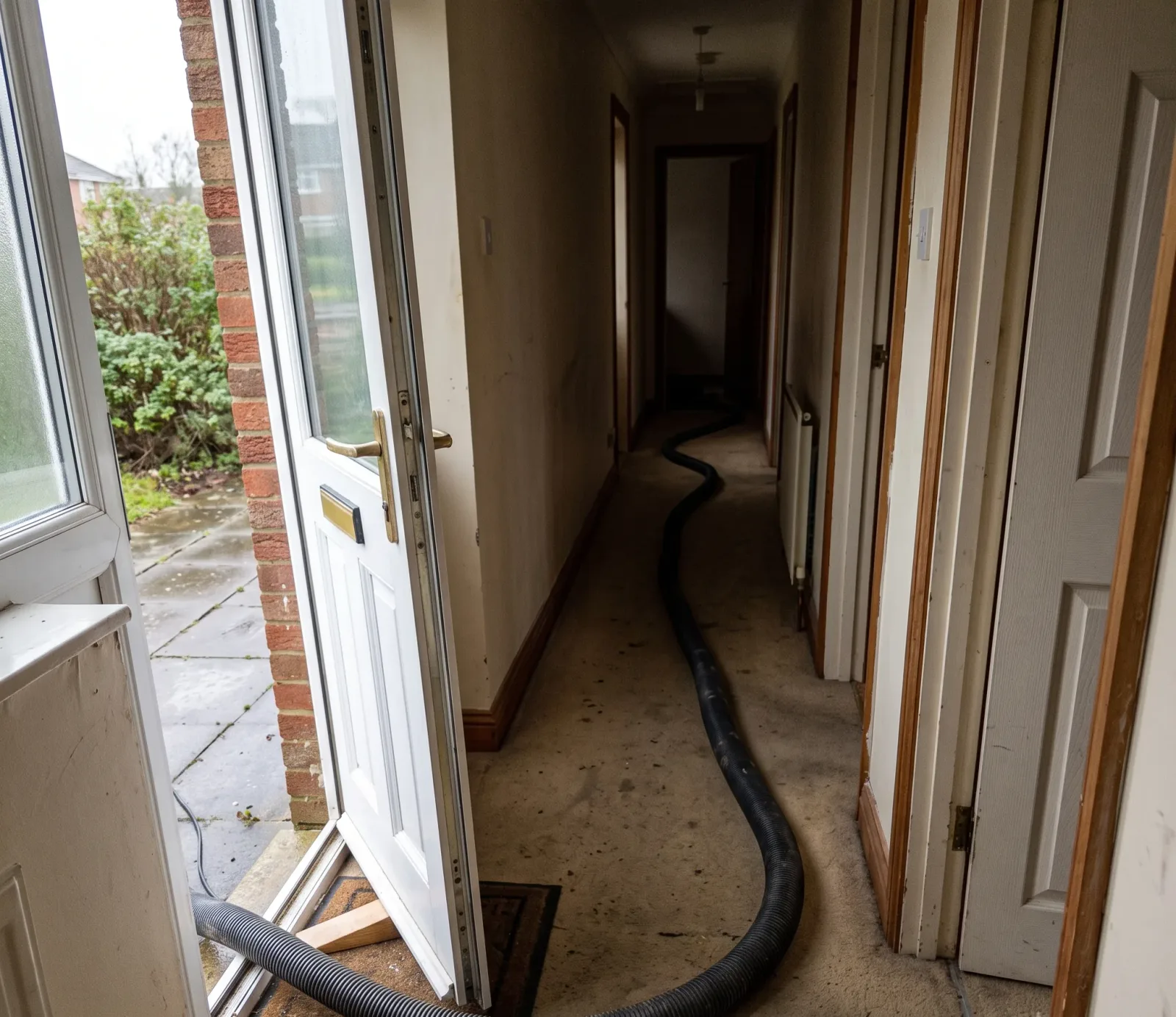
Cost follows the affected spaces and access plan; start by mapping rooms and coordinating with campus operations.
Map the wet classrooms, corridors, and shared spaces; keep people out of affected work areas; and coordinate access with facilities and campus operations. Then ask an extraction provider to confirm the removal scope and plan the handoff for moisture checks and follow-up drying.
Cost for school water extraction depends on how many rooms are affected, how water reached them, and whether the pros we connect you with can reach those rooms without crossing active student routes. In Centennial, start by marking wet classrooms, corridors, shared study areas, and doors that must stay clear; name a campus contact who can arrange access. A site near Highlands Ranch Library or Anschutz Medical Campus may have different operating constraints. Give the provider a map and a point person so the removal scope can account for how the campus works.
Begin with a room-by-room picture. A thin line of water beneath desks may be easy to miss until it reaches a doorway, while pooled water in a classroom is immediately visible. Mark which rooms show water, where it appears to stop, and which doors connect those areas. For a Centennial campus, that map gives facilities and operations staff a common view of what needs attention. It helps the extraction provider define the affected area without assuming that every nearby room is involved.
Shared spaces can complicate a response because water may cross a hallway, entrance, or common room used by several groups. A damp threshold or water tracked onto a corridor floor may signal that the affected area extends beyond the room where the problem first appeared. In Centennial, record which shared spaces are involved and who controls access to them. That gives the pros we connect you with a clearer starting point for campus water removal and helps staff coordinate the next steps.
Keep people away from standing water where outlets, wiring, or equipment may be wet. You may see water near a classroom wall or hear equipment still running; neither tells you that the area is safe to enter. Follow local emergency guidance and get qualified help if electrical safety is uncertain. In Centennial, a clear note about restricted rooms and entry points helps staff pass along the boundary consistently while arranging emergency school water removal.
A workable access plan matters as much as a room list. Tell facilities staff which entrances can be used, which doors must stay clear, and when shared spaces are occupied or unavailable. If the usual route is blocked, the provider needs that detail before equipment is brought through the building. For a Centennial school or college, coordinating those constraints with campus operations can reduce avoidable interruptions and make the agreed removal area easier to follow.
| Campus area | Access needs | Work coordination |
|---|---|---|
| Room impact | Desks may narrow equipment access | Confirm room entry and contents |
| Main corridor | Shared route may need closure | Set a safe alternate path |
| Shared spaces | Water source may need attention | Clarify separate source repair |
| Entry limits | Shelving can limit reach | Identify affected floor area |
| Campus coordination | Shared operations may be disrupted | Coordinate closure with operations |
| Area tracking | Large floor needs clear entry | Agree on equipment access route |
| Follow-up planning | Records or equipment may be present | Arrange staff escort if needed |
| Residence hall | Occupants may share the route | Coordinate access and notice |
After visible water is removed, a classroom may still feel damp underfoot. Arrange moisture assessment and any needed drying before treating the space as ready. In Centennial, have facilities and campus operations decide who checks each room, who tells instructors its status, and how adjacent shared areas stay in service. Keep the extraction work boundary clear: source repair, contaminated-water cleanup, and rebuilding require separate attention. That handoff ties reopening decisions to what was actually checked, while leaving follow-up work with the appropriate provider.
Water disappearing from the floor is a visible milestone, not proof that the building is dry. Damp flooring or other materials may still need moisture assessment, and drying equipment may be planned after extraction. Keep that follow-up in the handoff so staff know which spaces need another look. For Centennial facilities teams, separating the removal record from later drying observations helps clarify what work has been completed and what remains under review.
For insurance review and follow-up, a written scope can identify the rooms included in the removal work and note any concerns left for another visit. Keep those details tied to the affected-area map so the next person can tell which classroom or shared space each note describes. In Centennial, clear records help facilities staff and an insurer discuss the same work without relying on memory. They also give follow-up providers a useful starting point.
The cost can change when the affected boundary grows. Water in one classroom is a different removal scope from water that has reached adjoining rooms and shared circulation areas. In Centennial, update the room map if staff find water beyond the first reported location, and tell the provider before the work scope is settled. A record of what changed helps explain why the affected-area plan or estimate may need revision.
A campus also needs to know which rooms are temporarily unavailable and who will decide when they can return to normal use. The work record should identify the water's apparent entry point, apart from the areas where it pooled. Ask the provider what removal work is complete and what follow-up observations remain. That gives Centennial operations staff a clear handoff for their own access and scheduling decisions.
Record any contents moved during water removal so facilities staff can account for them before rooms are reset. A floor that looks clear may still feel damp, and water can remain beyond the edge of the pooled area. Keep drying and other follow-up needs visible in the campus work record, with the rooms they concern. For a Centennial school, that distinction lets facilities staff plan the next visit without treating extraction as a completed restoration.
Keep the extraction scope specific about what was removed and where. Repairs to the leak or other source, sewage cleanup, mold remediation, and reconstruction are separate work. Include affected contents in the notes as well as the pooled water, so later work can account for both. For Centennial facilities staff, a clear boundary between removal and other work makes the follow-up record easier to use with the right specialists.
When arranging a response in Centennial, use the campus address and affected building details as the main location guide. Regional reference points such as Highlands Ranch Library, Swedish Medical Center, or Anschutz Medical Campus can help distinguish a destination in conversation, but they do not identify which rooms are affected. Pair directions with the access plan, entry instructions, and room map so the pros we connect you with can understand the assignment clearly.
Your next step is practical: map the rooms and shared spaces where water is visible, mark any access restrictions, and record areas that may need follow-up. Then ask an independent extraction provider to define the removal scope and coordinate with facilities and campus operations. For a Centennial campus, that gives you a basis for comparing the proposed work with the affected-area record and sharing the relevant details with an insurer.
Commercial water extraction cost depends in part on the number and type of spaces involved, how crews can reach them, and whether campus operations can provide a clear work area. In Centennial, a classroom wing may need a different access plan from a shared commons or a lower-level corridor. Record which rooms are affected and who can authorize entry; that gives the facilities team and the pros we connect you with a common reference for coordinating removal and later follow-up. Drying and source repair remain separate work to plan for.
Homes and businesses with standing water can check whether extraction is offered in their part of the county, with coverage extending toLone Tree, Parker and Englewood mailing area. If your property may be outside the usual area, ask about visit charges and get the extraction scope and any later drying itemized in writing.
For a commercial site, the estimate usually reflects each visit, the size of the area needing water removal, and how often service is required. Treat $700–$1,400 as a guide: water volume, room access, and requested moisture checks or drying all affect the written scope.Water near electrical equipment or machinery can affect how removal is approached, so mention nearby hazards and sensitive contents when discussing the work with the licensed pros we connect you with. When you call, describe the space, standing water, access limits, and any active water source so the pros we connect you with can provide a written estimate.Full ranges are listed in the pricing guide; the commercial overview describes urgent water removal and possible follow-up for moisture left behind.
Centennial Hotel Water Removal
Healthcare Water Removal
Restaurant Water Removal
Start with a simple room map. Mark where water is visible, where it has reached shared paths, and which doors or routes facilities can open. In Centennial, school water extraction planning works best when operations staff can identify the affected boundary and arrange access before removal begins. Keep classes and passersby out of the work area, then ask the pros we connect you with to confirm the proposed scope with facilities staff.
Possibly, if facilities staff can keep students and staff apart from the affected work area and maintain usable routes through the building. Have campus operations identify which rooms and paths are unavailable, then coordinate any change as work proceeds. A wet corridor can affect movement beyond the classroom where water first appeared. The school should decide how to handle schedules and room access; the extraction provider can describe the work area needed.
Share the building entry instructions, the rooms and shared spaces affected, and any access limits that could shape the work. Tell the provider whether the water source is still active or whether the area may involve sewage or chemicals. In Centennial, campus water removal also benefits from a facilities contact who can answer questions about room access and coordinate with school operations while work is underway.
Yes. The extraction provider can explain which areas are included in the removal work, while facilities staff identify who needs the update and what spaces remain unavailable. Keep a current room list as conditions or access plans change, and set a handoff for moisture checks and any drying work that may follow. That gives school operations a practical basis for planning room use without treating visible water removal as full recovery.
Map the affected rooms and access limits, then ask the pros we connect you with to confirm scope and coordinate with facilities.
Call (303) 647-3932