Emergency Water Extraction Warning Signs in Centennial
Cost can move with the affected areas and materials, so ask for a written estimate that lists proposed next steps separately from extraction. Water can wick into baseboards and flooring, so mention any swelling, soft spots, or peeling finishes when describing the affected area. Extraction also will not fix the source of a leak, so note whether water is still entering. Give the property address even if you refer to Centennial, Swedish Medical Center, or the Englewood mailing area; that mailing area spans multiple jurisdictions.
You can see water across a floor without knowing how far dampness has traveled. This page explains urgent removal, what can change its cost, and what to clarify before work starts. Water removal does not show whether materials are dry, so ask if moisture assessment and drying are part of the plan.
Water can spread into flooring and wall cavities, leaving damp areas beyond the visible puddle. Do not touch wet equipment. A sagging ceiling can also be unsafe; keep clear and wait for qualified help to assess it. In Centennial, note where you see water and whether the source seems active, but do not enter a hazardous area to investigate. Ask whether the estimate covers affected materials such as flooring, drywall, and insulation. What work would the estimate include after removal?
Signs of water intrusion needing urgent removal
Call promptly if pooled water keeps advancing, sits near electrical equipment, or could soak more materials while you wait.
| What you notice | What it can mean | When to respond | View details |
|---|---|---|---|
| Standing Water on Indoor Floors Water sits in a visible pool or spreads in a shallow sheet across an indoor floor, gathering along edges or around furniture. It may look clear, cloudy, or muddy, and reflect windows or ceiling lights. The floor surface looks glossy and wet; standing water feels cool and slick underfoot. Its depth and spread vary from room to room. | Water may also spread beneath rugs or along floor seams beyond the deepest pool. Standing water on an indoor floor is a sign to consider emergency extraction: the pros we connect you with can remove visible water using pumps or wet vacuums. In Centennial, remember that removal alone does not show whether floors or other materials are dry; they may need separate moisture checks and drying. | While water remains, it can keep floors and nearby materials wet through the day and overnight. The longer that visible pool sits, the more time moisture has to remain in materials; removal does not confirm they are dry. Paper items and fabrics left on the floor can absorb water while the pool remains. | Ask on the call |
| Water Spreading Into Adjacent Rooms On a floor, look for a thin reflective film or shallow puddle extending past a doorway, with an uneven edge that follows flooring seams. A baseboard may show a darker band, and the lower wall can look duller than the paint above. The surface may feel cool or damp; the wet edge can look soft or feathered. | Cost depends on how many connected areas are wet, how much standing water remains, and which materials are affected. In Centennial, a wet trail into another room shows the area needing assessment may extend beyond the first visible pool; local reference points such as Historic Charles Muegge House and Park Meadows Retail Resort help place this page. Ask the pros we connect you with to assess and remove standing water. Drying may still be needed afterward. | As water keeps crossing into another room, the wet footprint can widen while the water is still present. After extraction, moisture may remain in floors and walls and need assessment and drying. In a Centennial home, delay can leave more affected material to address. | Ask on the call |
| Water Pooling in Multiple Rooms You see separate puddles or shallow sheets of water on floors in more than one room. The water may look clear, cloudy, or tinted, and may gather along edges, beneath furniture, or around doorways. Nearby flooring can feel slick or cool underfoot; lower wall surfaces may look unchanged or show dampness. | Cost depends on how many rooms hold water, how deep it is, and which materials need attention; several affected rooms can take more work than one contained area. In Centennial, pooling in separate rooms suggests the visible water may cover a wider area, but it cannot show where the intrusion began or whether hidden materials are wet. Stay clear if outlets or equipment may be wet, and ask the pros we connect you with to assess the scope. | Water left pooled can keep floors and nearby materials wet as the day goes on, and visible removal alone does not confirm they are dry. In Centennial, note which rooms are affected; names like Colorado State Capitol and Rocky Mountain Arsenal cannot show the spread inside your property. Keep clear if electrical safety is uncertain. | Ask on the call |
| Indoor Drips Collecting on Floors Small, clear drops fall at intervals and gather into a shallow shine, beads, or a narrow puddle on the floor. You may see separate round spots below a ceiling edge, beside a wall, or under a fixture. The floor can feel slick underfoot, or cool and damp when touched with a fingertip. | Cost depends on how much water has pooled and how much floor area is affected. In Centennial, and in homes near Highlands Ranch Library or Aurora Fox Arts Center, drips collecting into a puddle can mean water is still entering or spreading. If pooling continues, prompt removal can limit how long water sits. Avoid wet outlets or equipment and contact the pros we connect you with. Remaining dampness may need assessment and drying. | If drops keep landing, a small pool can grow while you wait, and moisture may remain in flooring after visible water is removed. Water can spread along flooring before it gathers into a noticeable pool. | Ask on the call |
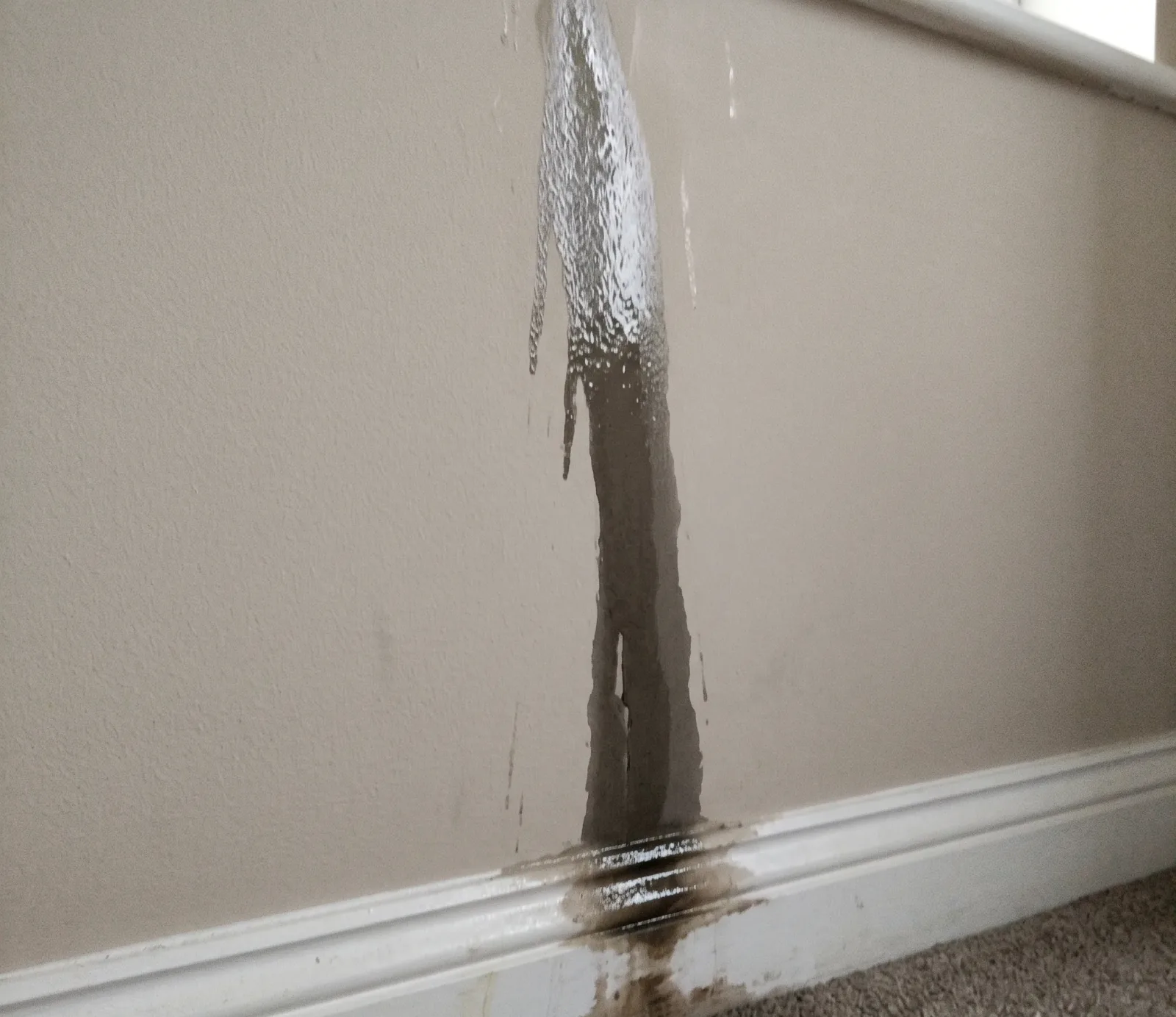
| Water Running Down Interior Walls In Centennial, this sign may appear as a narrow glossy track descending from a seam, fixture, or upper corner. The water can look clear or leave a darker vertical band; lower down, the paint may look damp and the baseboard may feel cool or soft. You may see droplets gathering where the wall meets the floor. | Lingering moisture can soften drywall and cause flooring to buckle. In Centennial, a wet wall and damp floor belong in the same picture: water can run down the wall, pass behind trim, and collect at floor level. The pros we connect you with remove standing water, but extraction alone does not confirm that materials are dry. Keep clear if electrical safety is uncertain; readers who use Park Meadows Retail Resort or Coal Creek Golf Course as local reference points should watch for both signs. | Water that keeps moving down the wall can leave the lower wall, trim, and nearby flooring damp over the following hours or days. In a Centennial home, that moisture may remain after visible pooling is removed, so the affected materials may need assessment and drying. | Ask on the call |
| Water Seeping From Wall-Floor Joints Look along the bottom edge of the wall where it meets the floor for a dark, damp line, small beads, or a thin stream. The wet area may look glossy against dry paint or flooring, with water gathering in a narrow edge or spreading into a shallow puddle. The seam may feel cool or slick to the touch. | Centennial cost depends on how much water has seeped through and access to the joint. A fresh bead or trickle at the wall base means water is still entering; extraction matters once it pools, while the source needs separate attention. If outlets are wet, stay clear and seek qualified help. This can happen near Bison Ridge Recreation Center, Indian Hills Community Center, or Park Meadows Retail Resort. | If seepage continues, water can spread beneath nearby flooring and leave materials damp as the visible pool grows, even over a short stretch of time. In Centennial, give the pros we connect you with your full address; landmarks such as Park Meadows Retail Resort and Indian Hills Community Center do not settle jurisdiction by themselves. | Ask on the call |
| Sagging or Bulging Ceiling The ceiling surface dips below its usual flat line or pushes downward in a rounded, swollen area. You may see a faint yellow or brown mark, a darker patch, or a shiny damp edge around the shape. The surface can look uneven from across the room; avoid touching it to check its texture. | Wet insulation may stay hidden above the ceiling after visible water is removed. In Centennial, a sagging or bulging ceiling can signal water collecting overhead and adding weight; drywall or plaster may give way. Keep people clear and seek urgent assessment. The pros we connect you with can remove standing water, but extraction alone cannot confirm the ceiling is safe or the materials dry. | As water continues to press on a bowed ceiling, the surface may worsen and release suddenly, dropping debris and water into the room. Keep the area clear while it is assessed urgently. Water near ceiling lights can create an electrical hazard, so keep away from wet fixtures. | Ask on the call |
Signs worth arranging an assessment for
The pool is gone, though damp materials may still call for a moisture check.
| What you notice | What it can mean | When to respond | View details |
|---|---|---|---|
| Wet or Swollen Baseboards The trim may bow outward, ripple, or pull away from the wall, with softened paint, a darker edge, or a narrow gap at the floor. The change may cover a short section or continue around a corner. The surface can feel cool, damp, or spongy under light fingertip pressure. | A musty smell can signal moisture in places that are not visible. In Centennial, or in homes near Park Meadows Retail Resort and Highlands Ranch Library, a damp, bowed baseboard is a reason to arrange an assessment; it cannot show how far moisture extends. If pooling is present, the pros we connect you with can assess whether extraction is needed, with drying considered afterward. | Cost depends on how much trim and adjoining wall is affected. In Centennial, a baseboard that bows, darkens, or feels soft can signal water behind the wall. If the source continues, swelling may worsen over days; prompt assessment can determine whether standing water needs extraction. | Ask on the call |
| Softened Drywall Near the Floor The lower section of drywall feels yielding or spongy instead of firm when lightly pressed. You may see a darker patch, puckering, bubbles, or an uneven edge just above the baseboard. Paint can look wrinkled or split, and the paper surface may feel cool or soft beneath your fingertips. | Soft or spongy drywall near the floor in Centennial can mean water reached the wall; the surface cannot show how far dampness extends. Keep clear if standing water may reach outlets or wiring. After removal, ask the pros we connect you with to check nearby materials. Address checks matter where ZIP and municipal boundaries overlap, including near Swedish Medical Center, Littleton mailing area, and Aurora Fox Arts Center. | If the wall stays damp for days, its softened face may weaken further, while moisture can remain after visible water is gone. In Centennial, arrange a prompt assessment. Colorado State Capitol is another area landmark, but each affected wall needs its own moisture check. | Ask on the call |
| Bubbling or Peeling Wall Paint In a Centennial home, the paint may swell into rounded blisters or lift in loose, curled flakes. The surface can look uneven, with edges that stand away from the wall; colors may range from the original paint shade to a lighter exposed layer. The change may appear in a patch or along a strip near the floor, ceiling, or a corner. | The cost depends on whether there is standing water to remove, how much affected area is involved, and which materials need attention. In Centennial, bubbling or peeling paint is a reason to check for water intrusion, not proof that pooled water is present. If it appeared after a leak, ask the pros we connect you with to assess whether extraction is needed; drying is separate. | When bubbling follows a known leak, arrange a prompt check over the next day or so. A musty smell can linger when moisture is trapped behind a wall or under flooring. Centennial’s floodplain map checks exposure by address; familiar places such as Swedish Medical Center and Aurora Fox Arts Center cannot answer for your property. | Ask on the call |
Water Removal FAQs
What does standing Water on indoor floors mean?
Water may also spread beneath rugs or along floor seams beyond the deepest pool. Standing water on an indoor floor is a sign to consider emergency extraction: the pros we connect you with can remove visible water using pumps or wet vacuums. In Centennial, remember that removal alone does not show whether floors or other materials are dry; they may need separate moisture checks and drying.
What does water spreading into adjacent rooms mean?
Cost depends on how many connected areas are wet, how much standing water remains, and which materials are affected. In Centennial, a wet trail into another room shows the area needing assessment may extend beyond the first visible pool; local reference points such as Historic Charles Muegge House and Park Meadows Retail Resort help place this page. Ask the pros we connect you with to assess and remove standing water. Drying may still be needed afterward.
What does water pooling in multiple rooms mean?
Cost depends on how many rooms hold water, how deep it is, and which materials need attention; several affected rooms can take more work than one contained area. In Centennial, pooling in separate rooms suggests the visible water may cover a wider area, but it cannot show where the intrusion began or whether hidden materials are wet. Stay clear if outlets or equipment may be wet, and ask the pros we connect you with to assess the scope.
What does indoor drips collecting on floors mean?
Cost depends on how much water has pooled and how much floor area is affected. In Centennial, and in homes near Highlands Ranch Library or Aurora Fox Arts Center, drips collecting into a puddle can mean water is still entering or spreading. If pooling continues, prompt removal can limit how long water sits. Avoid wet outlets or equipment and contact the pros we connect you with. Remaining dampness may need assessment and drying.
What does water Running down interior walls mean?
Lingering moisture can soften drywall and cause flooring to buckle. In Centennial, a wet wall and damp floor belong in the same picture: water can run down the wall, pass behind trim, and collect at floor level. The pros we connect you with remove standing water, but extraction alone does not confirm that materials are dry. Keep clear if electrical safety is uncertain; readers who use Park Meadows Retail Resort or Coal Creek Golf Course as local reference points should watch for both signs.
What does water seeping from wall-Floor joints mean?
Centennial cost depends on how much water has seeped through and access to the joint. A fresh bead or trickle at the wall base means water is still entering; extraction matters once it pools, while the source needs separate attention. If outlets are wet, stay clear and seek qualified help. This can happen near Bison Ridge Recreation Center, Indian Hills Community Center, or Park Meadows Retail Resort.
What does wet or swollen baseboards mean?
A musty smell can signal moisture in places that are not visible. In Centennial, or in homes near Park Meadows Retail Resort and Highlands Ranch Library, a damp, bowed baseboard is a reason to arrange an assessment; it cannot show how far moisture extends. If pooling is present, the pros we connect you with can assess whether extraction is needed, with drying considered afterward.
What does softened drywall near the floor mean?
Soft or spongy drywall near the floor in Centennial can mean water reached the wall; the surface cannot show how far dampness extends. Keep clear if standing water may reach outlets or wiring. After removal, ask the pros we connect you with to check nearby materials. Address checks matter where ZIP and municipal boundaries overlap, including near Swedish Medical Center, Littleton mailing area, and Aurora Fox Arts Center.
What does bubbling or peeling wall paint mean?
The cost depends on whether there is standing water to remove, how much affected area is involved, and which materials need attention. In Centennial, bubbling or peeling paint is a reason to check for water intrusion, not proof that pooled water is present. If it appeared after a leak, ask the pros we connect you with to assess whether extraction is needed; drying is separate.
What does sagging or bulging ceiling mean?
Wet insulation may stay hidden above the ceiling after visible water is removed. In Centennial, a sagging or bulging ceiling can signal water collecting overhead and adding weight; drywall or plaster may give way. Keep people clear and seek urgent assessment. The pros we connect you with can remove standing water, but extraction alone cannot confirm the ceiling is safe or the materials dry.
Respond to Pooled Water and Damp Materials
Tell the pros we connect you with whether water is pooled in a basement, along a floor, or in another affected area, and name the materials that feel wet. For a Centennial address, Anschutz Medical Campus may help as a location reference. Ask for the extraction area and tasks to be listed in a written estimate, with moisture assessment or drying equipment shown separately if proposed. Ask whether rugs or belongings need to be moved so the affected surfaces can be reached.
Call (303) 647-3932