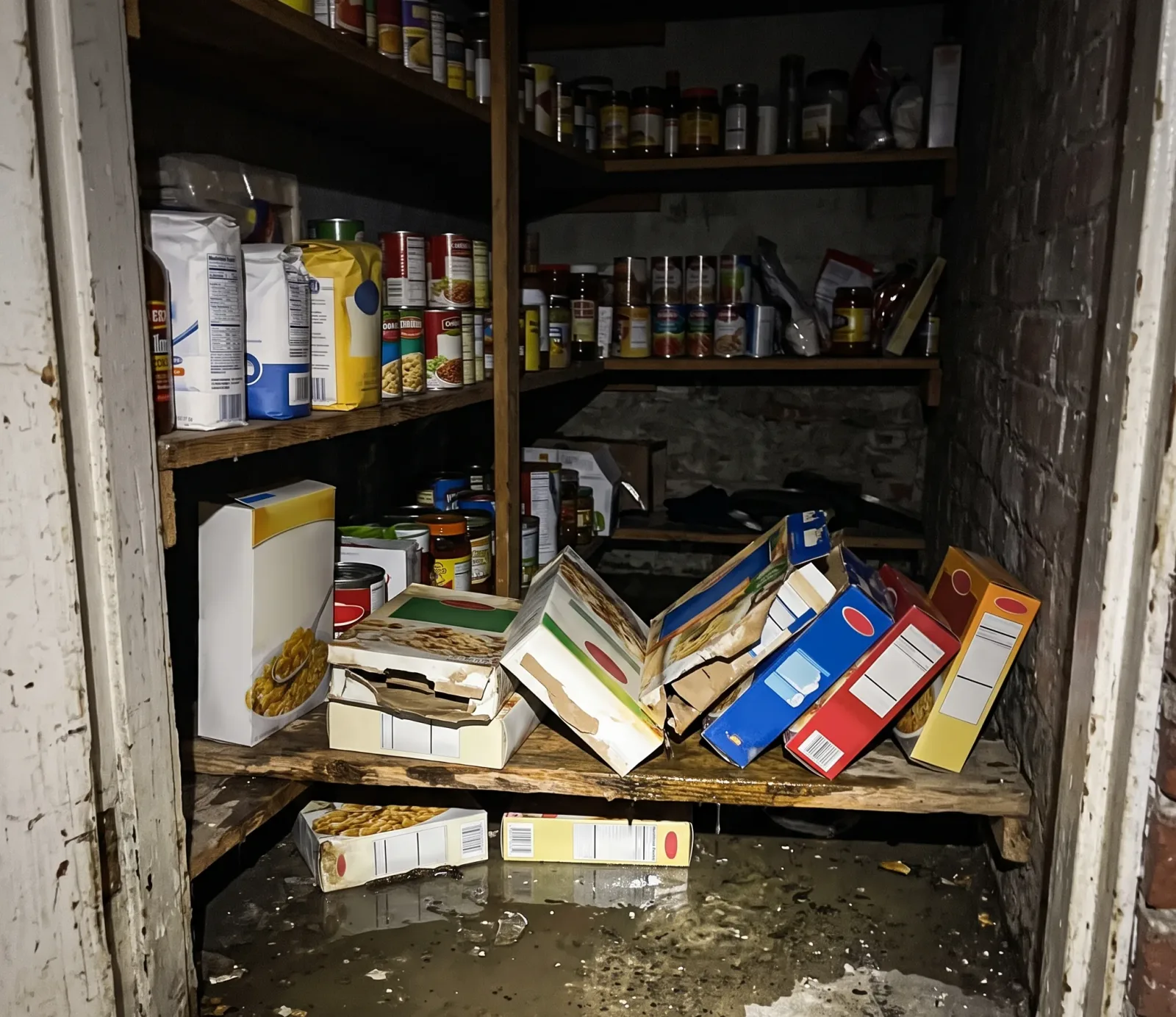
Basement Water Extraction
Compare a household wet vac with professional basement water removal
View Basement Water Extraction help in CentennialLittleton mailing area ZIP coverage does not fully follow city limits, so share the property’s exact address when arranging service.
Cost depends on how far water traveled, which materials are wet, and how much access the work area allows. Across the Littleton mailing area, a home’s age and later updates can affect what lies behind a wet surface: flooring, wall finishes, and concealed spaces may need different checks. Tell the pros we connect you with what you know about the home and where water first appeared. They can inspect affected areas before deciding how to remove pooled water and check materials. Downtown Littleton, Littleton Museum, and South Platte Park are useful location references, but the exact property address guides the work. The listed mailing ZIPs do not fully align with city limits.
Standing water can spread beyond the spot you first notice, while extraction removes pooled water and leaves remaining moisture for separate assessment.
Sites near South Platte River and Ketring Lake can face water intrusion in low-lying areas. Water can extend past the visible pool, so removal may be followed by moisture checks and drying.
Heavy rain and hail are documented hazards in the Denver metro area and can lead to water entering a home. If water is visible indoors, note the first sign you noticed before cleanup begins. Stopping the source of the water can help keep more of it from entering during cleanup. For a Centennial property near Highlands Ranch Mansion, extraction removes pooled water; assessment afterward can identify damp materials that may need further drying.
Cost depends on the affected area and proposed water removal work; ask the pros we connect you with for a written scope.
| Service | What Emergency Extraction Work Includes | Estimated cost |
|---|---|---|
| Basement Water Extraction | Access check, pump-out, work notes | an estimated $700–$1,400 |
| Carpet and Pad Water Extraction | Carpet access, water volume, pad exposure | an estimated $400–$2,000 |
| Hardwood Floor Water Extraction | Surface extraction, floor access, safety check | an estimated $600–$2,200 |
| Crawl Space Water Extraction | Access, visible water, removal method, safety check | an estimated $800–$1,600 |
Downtown Littleton is a recognizable address reference; give the complete street address so the pros we connect you with can locate the property.
Littleton Museum offers a familiar local reference point when describing where a property is; the street address still guides the service check.
South Platte Park sits in the river corridor. It helps orient a location, but does not establish water exposure at a particular home.
Compare a household wet vac with professional basement water removal
View Basement Water Extraction help in Centennial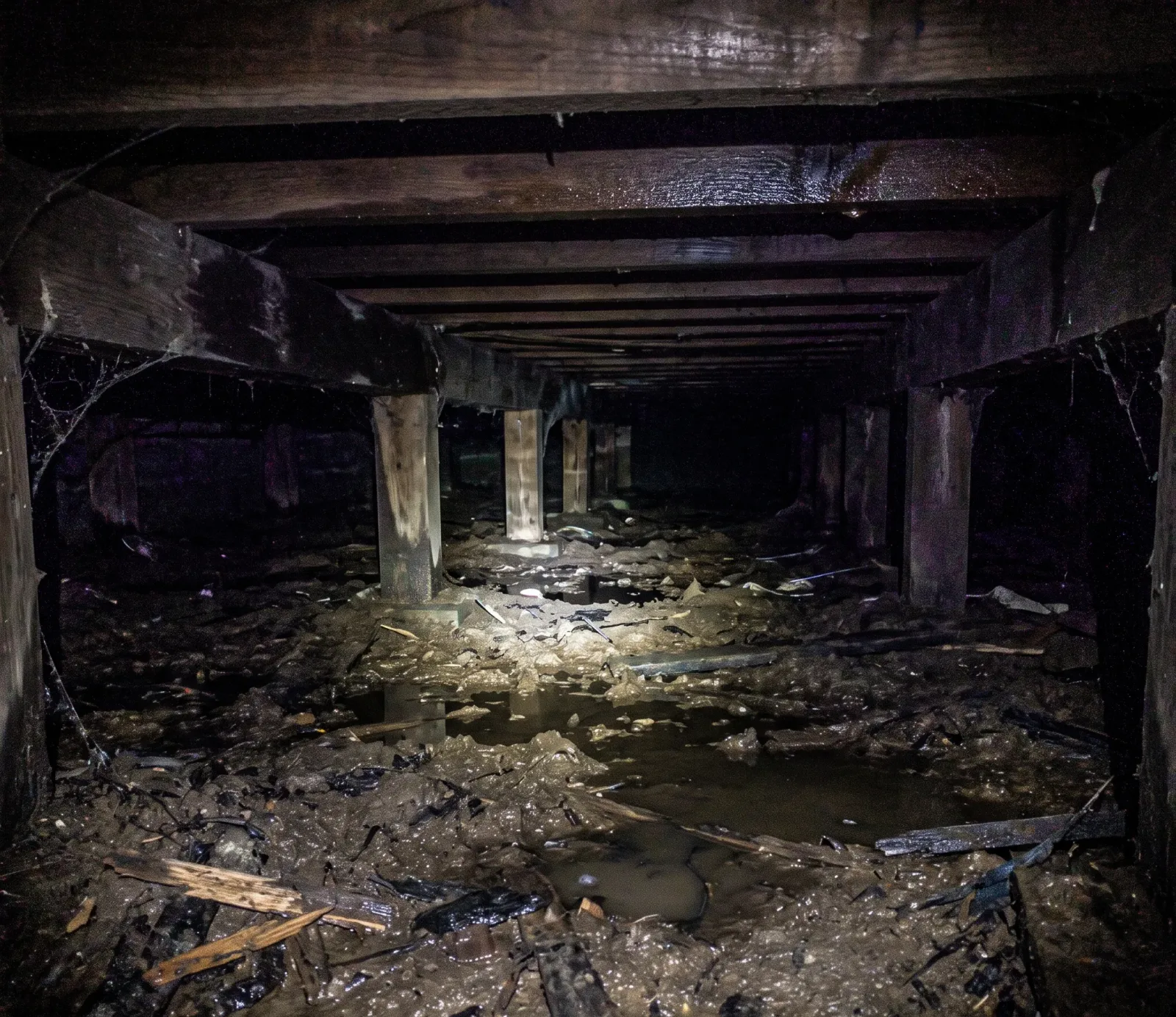
Pooled crawl-space water removed with access and safety in view
View Crawl Space Water Extraction help in Centennial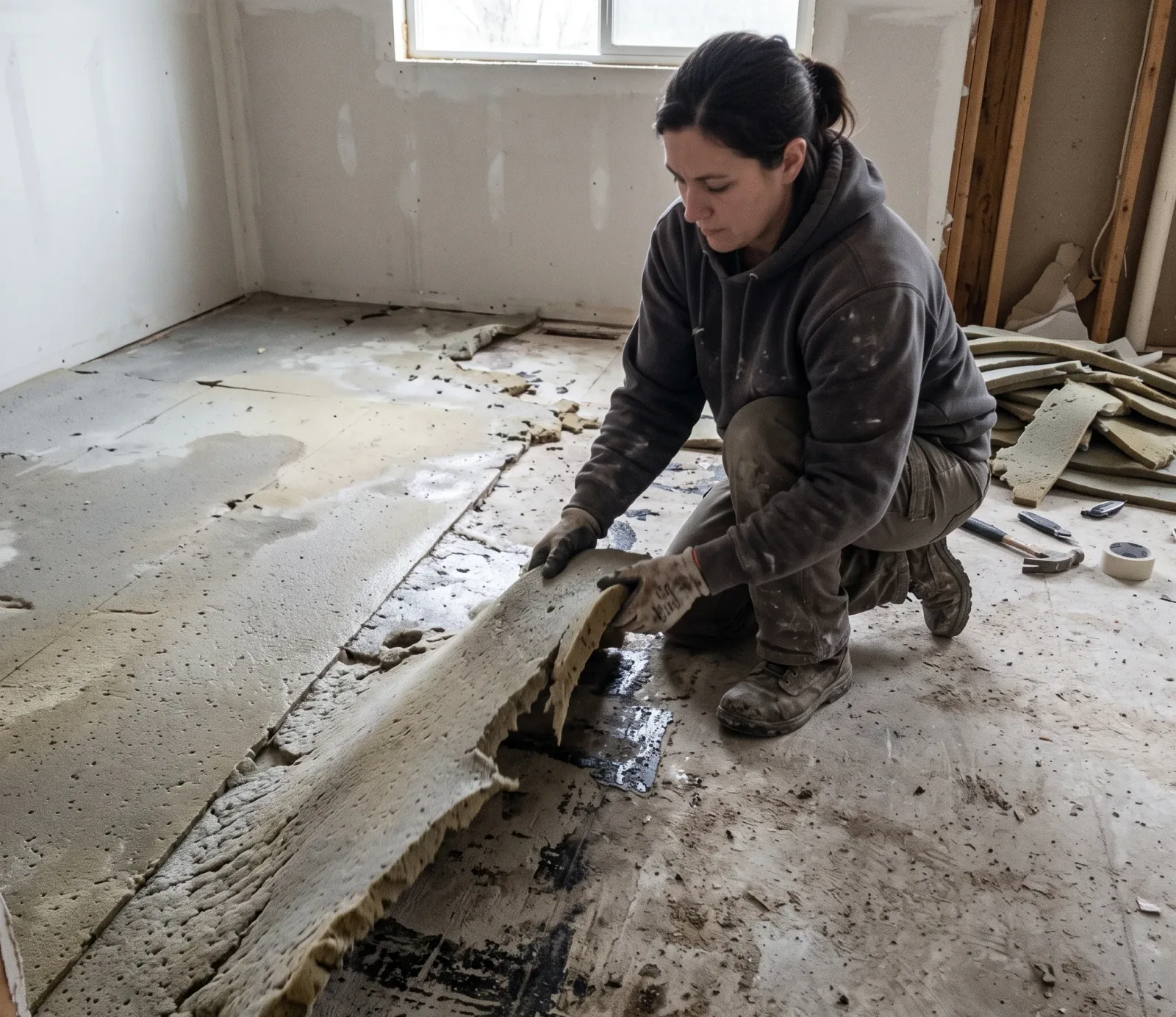
Carpet access, water spread, and pad condition shape extraction scope
View Carpet and Pad Water Extraction help in Centennial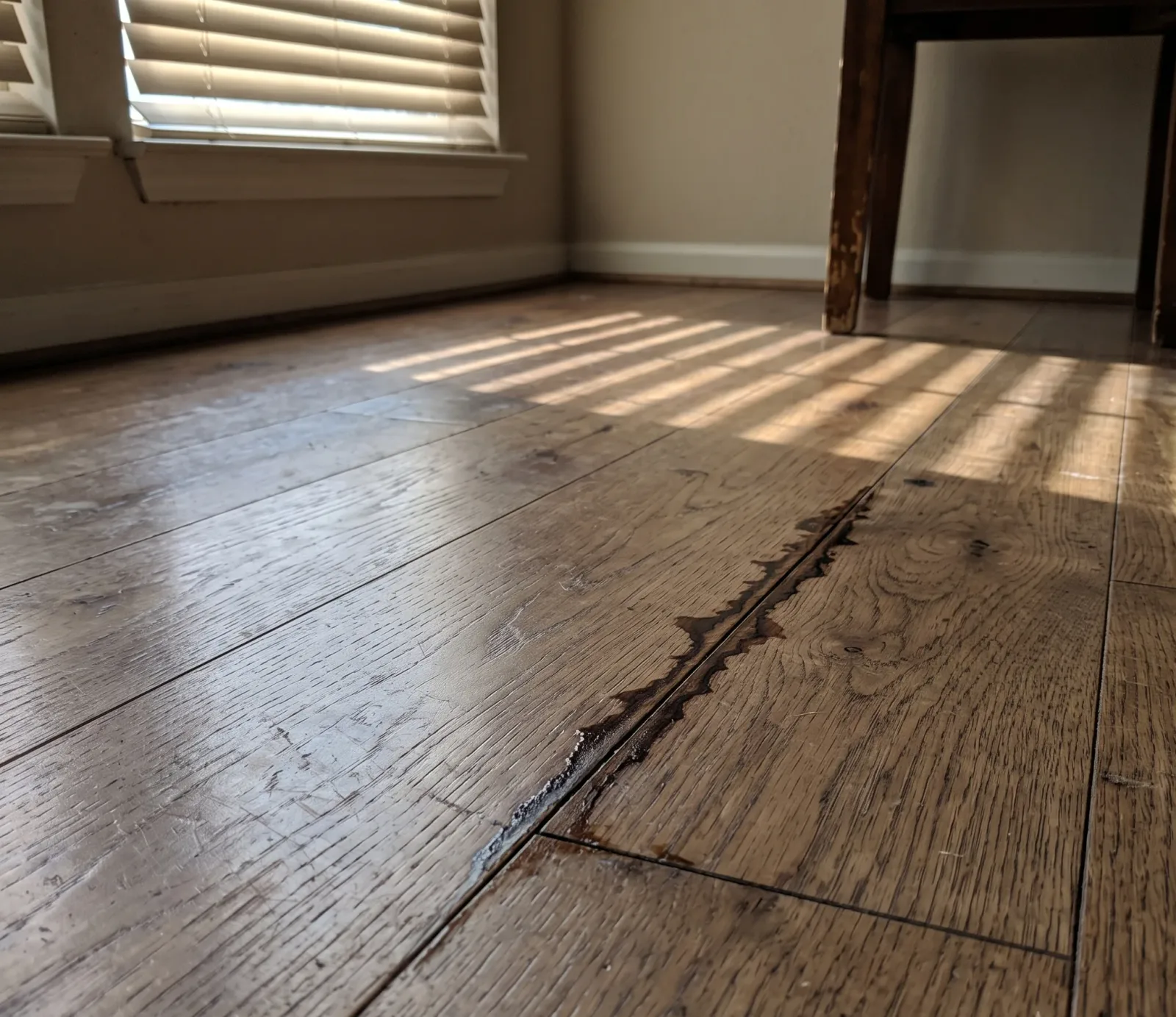
Surface water removal shaped by your hardwood and the depth of the water
View Hardwood Floor Water Extraction help in CentennialThe listed residential mailing ZIPs are covered for emergency extraction, but ZIP boundaries do not match Littleton city limits throughout. Give the pros we connect you with the complete street address so they can confirm the service location and plan access. If a postal label says Littleton, the address still matters; a mailing name alone does not establish where the property sits.
Start with the full property address, the room or level holding water, and the source if you know it. Say whether water is still entering and whether stairs, a locked entry, or a narrow path could affect access. A nearby landmark such as Ketring Lake can help orient the location, but it does not show what is wet inside. Describe the affected rooms directly.
Water can seep beneath flooring and leave damp areas after the surface looks dry. The pros we connect you with cover homes in the Littleton mailing area ZIPs 80120, 80121, 80122, 80123, 80125, 80126, 80127, and 80128; a mailing label does not establish city limits. Give the full street address and ZIP. A landmark such as Lone Tree or Park Meadows Retail Resort cannot confirm coverage.
No. Keep people away from standing water until the source is understood and the affected area can be assessed. After removal, moisture assessment can show whether drying equipment is needed. Ask who will handle that follow-up and what it includes. Extraction and drying are separate steps, and neither repairs the leak that caused the water.
A home’s age and finish materials can change what an inspection needs to account for: water visible on tile may have reached the subfloor, while damp drywall or wood can hold moisture after pooled water is gone. In the Littleton mailing area, tell the pros we connect you with the home’s approximate age if known, the affected room, and which floors or walls feel wet. Ask which materials they will check before removal is considered complete.
For Littleton mailing area, “same-day” means a visit might be arranged for today, depending on availability confirmed during your call. Water continuing to spread is a genuine reason to request urgent extraction. A contained problem costs less as a daytime booking. Wet materials may hold moisture after visible water is gone.
If the address is in Centennial, share what you can observe: water depth, affected rooms, wet materials, and whether the source has stopped. Ask the pros we connect you with to confirm that address is within their service area, discuss availability and timing, and explain any visit charge. Request an estimate and written scope, including whether it covers extraction alone or also moisture assessment and drying equipment. A name such as Bob L. Burger Recreation Center can orient a location reference, but your street address determines the request.
Call (303) 647-3932