What Shapes Arrival Expectations
Charges and arrival expectations depend on what you report: where water has collected, how much area is affected, and whether the source is still active. There is no single arrival time that applies to every Centennial call. The pros we connect you with need to confirm their current availability and timing with you. Give the service address, describe what you can see, and ask directly when they could reach you; an estimate is the provider’s information for that request, not a promise.
A clear address helps a provider judge whether the request fits its current service area and schedule. If directions are easier with a landmark, say so, but use the street address as the anchor. Centennial addresses can be confused with broader references such as the Englewood mailing area, so be specific about the property location. Ask the pros we connect you with to confirm that they have the address right and can take the request before you rely on an arrival estimate.
Why Availability Can Change
Availability can shift as providers take calls and assign work. A provider’s answer depends on its current workload, where its available help is, and the conditions described at the property. That means one person’s experience in Centennial cannot establish what another caller should expect. Call and ask for the current estimate for your address. If the answer is uncertain, ask when the provider expects to know more and how you should receive an update.
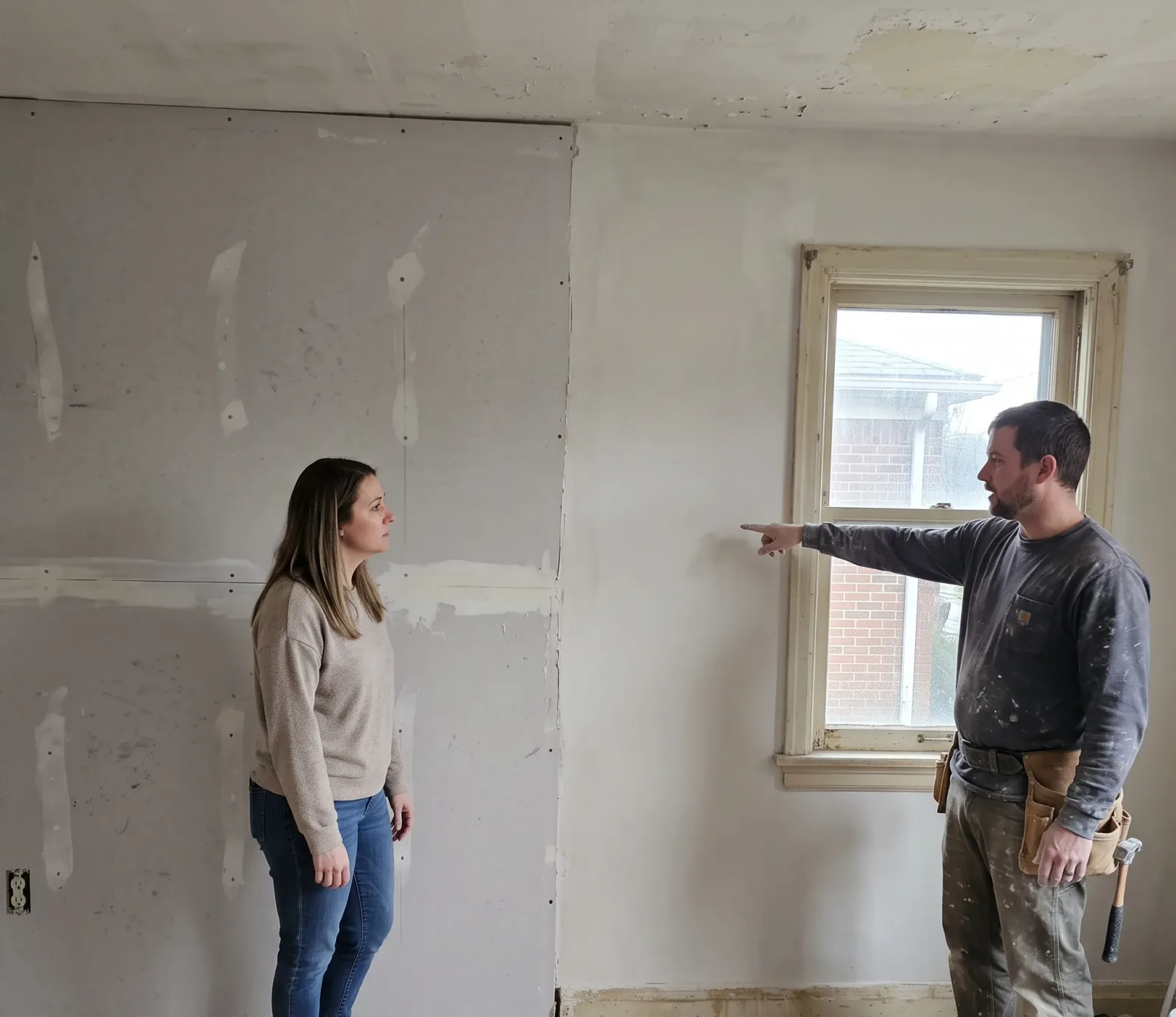
The description you give can help the provider understand the request. Say whether water is still coming in, where it is visible, and whether the affected property is a home or business. If the source is known, name it; if you do not know, say that plainly. For example, a caller who mentions an active leak gives a different picture from one describing water that has stopped spreading. Ask the pros we connect you with what else they need to assess availability.
Details to Share on the Call
Ask the provider to confirm three things on the call: whether it can take the request, its current arrival estimate, and how any charges will be determined. Availability, timing, and charges are for the pros we connect you with to confirm; a referral cannot guarantee them. In Centennial, as elsewhere, details about the affected area and water source can help the provider explain the likely scope. If the situation changes while you are speaking, update the description before you agree to proceed.
A short, ordered description is easier to assess than a guess about how serious the damage may be. Start with the address, then tell the provider what you noticed first and what has changed since. Mention whether the water is spreading, staying in one area, or has stopped appearing. The pros we connect you with can use those details to decide what they can offer and what questions remain. You do not need to diagnose the cause to ask about response time in Centennial.
Keeping the Request Current
While waiting for a reply, keep track of changes you can observe, such as water appearing in a new area or the source stopping. If you speak with another provider, give the same current account so each can assess the request on its own terms. Tell the first provider if conditions change after the call. This keeps the response estimate tied to what is happening now at your Centennial property, instead of to an earlier description that may no longer fit.
If you are comparing options, tell each provider the same address and basic conditions, then ask what its stated estimate depends on. A landmark can help clarify directions: you might use Highlands Ranch Library or Broomfield County Commons as a reference when describing the broader area, while still giving the property address. Those places do not establish a provider’s availability. The useful answer is the one the provider confirms for your specific Centennial request, with any uncertainty explained plainly.
Dealing with standing water at your home?
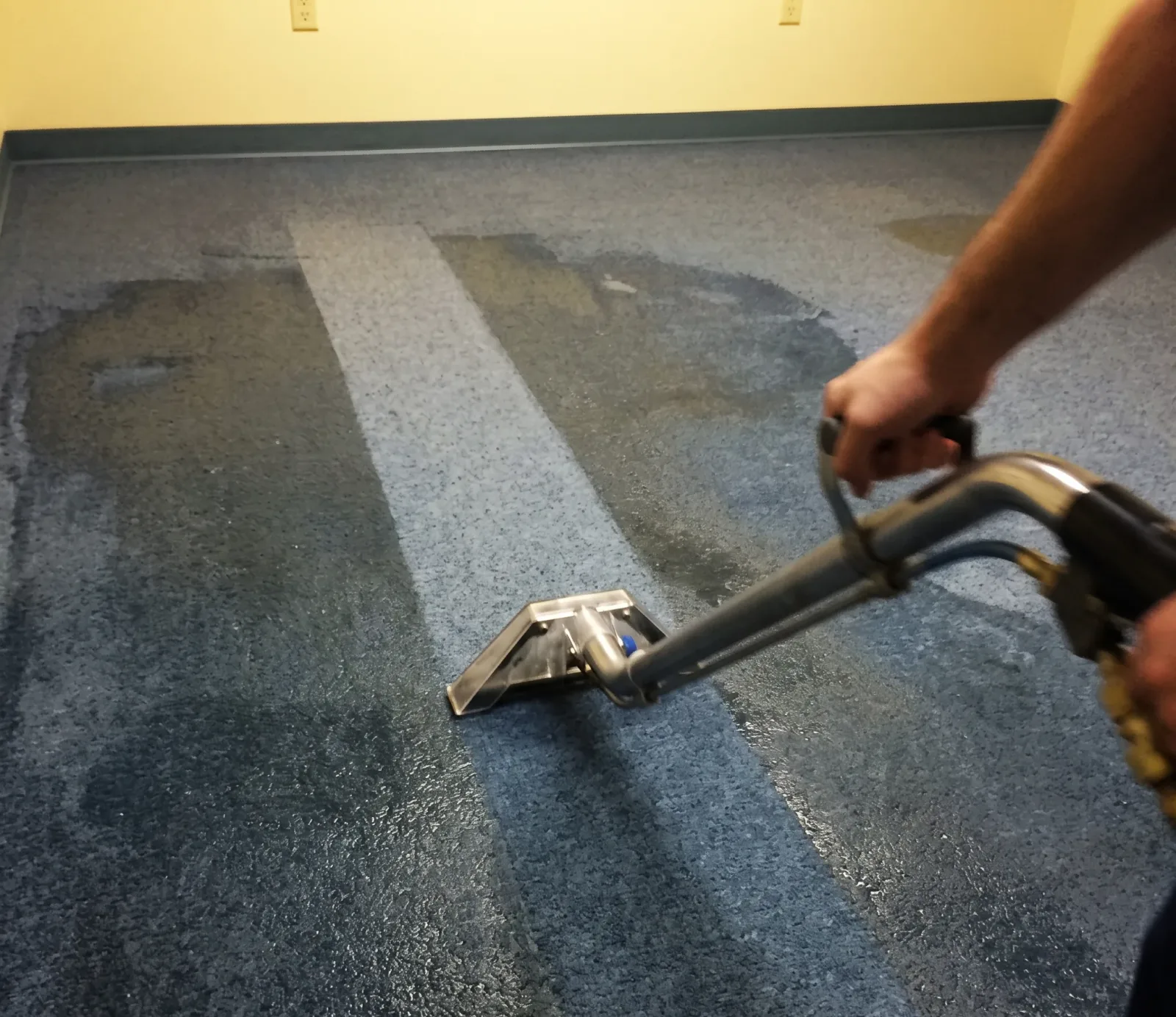
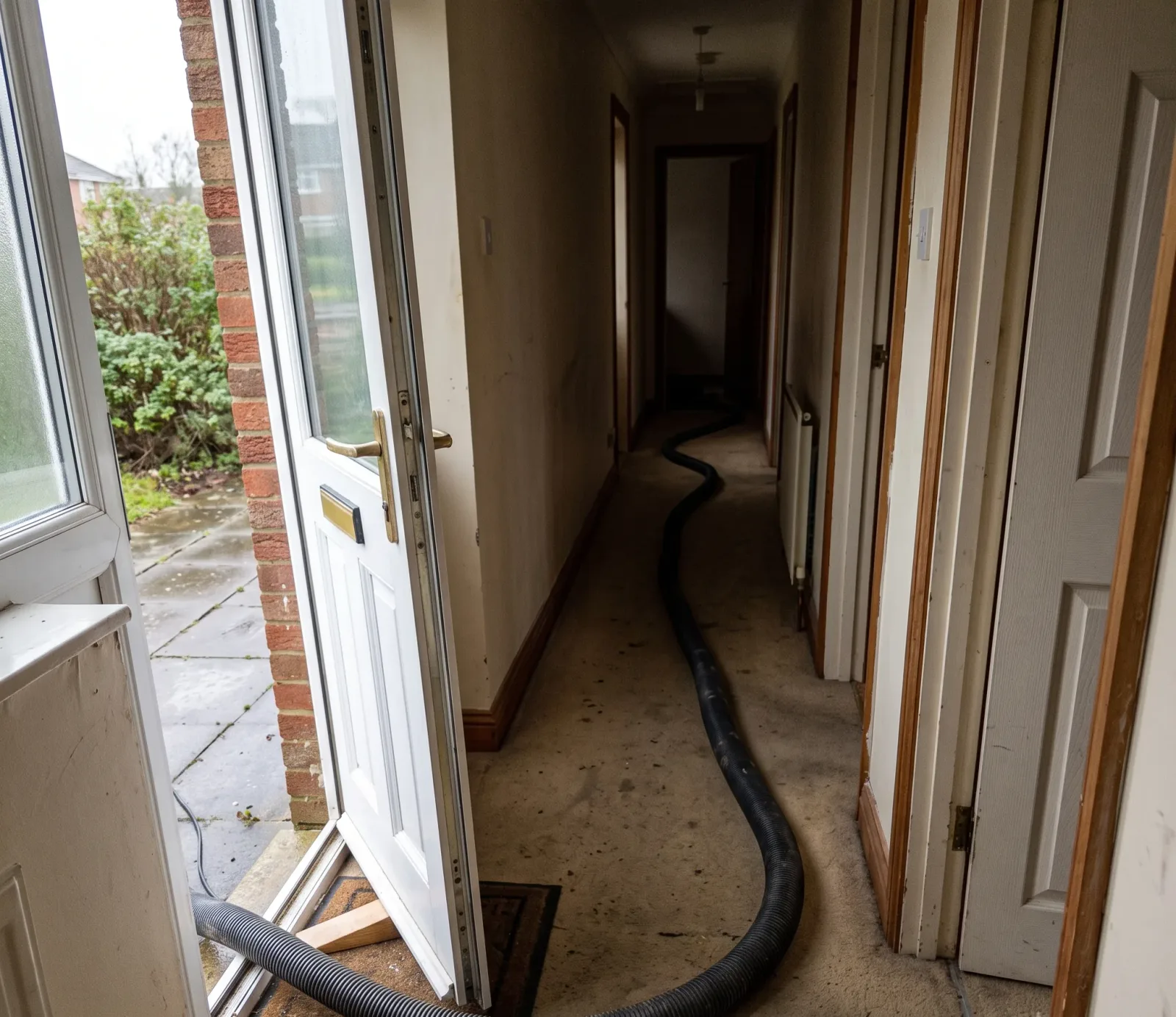
Cost depends on water depth, spread, and room access, so get an estimate before work starts. Centennial basements and ground-floor businesses need standing water removed; pumps or wet vacuums do that work. For an address in the Englewood or Littleton mailing area, verify jurisdiction and service coverage directly. Call (303) 647-3932 to ask about availability, timing, and visit charges. Clarify whether the estimate covers extraction only: remaining moisture may need drying, while source repair, remediation, or rebuilding are separate scopes. Water can remain beneath flooring after standing water is removed.