What Shapes the Cost of Water Removal
Centennial sits within a region where seasonal weather and nearby waterways make water removal a useful local service, though they do not establish flood risk for an individual home. Near Park Meadows Retail Resort, as across town, the water source and affected materials matter more than the map.
Centennial homes can have different layouts and materials, so the same spill may stay on a hard surface in one room or reach carpet and trim in another. Nearby landmarks such as Historic Charles Muegge House and Bob L. Burger Recreation Center help orient local readers; they do not indicate a property's water risk.
Service inquiries come from across Centennial and Arapahoe, including places where city limits and postal boundaries do not neatly align. Ask the pros we connect you with to check the exact property address, so you know whether that location is within their available service area before arranging a visit.
Moisture Left Behind
- DIY Fit
- A small, clean spill on an accessible hard surface may be manageable with household tools if the area is safe.
- Hidden Water
- Water that spreads under flooring or reaches walls may remain beyond the reach of a household wet vacuum.
- Tool Limits
- Pumps and wet vacuums remove standing water; they do not by themselves confirm that materials are dry.
- Safety
- Wet outlets, appliances, or wiring can make an area unsafe; keep clear and get qualified guidance.
- Get Guidance
- Hidden moisture can remain after standing water is removed, so drying the affected area matters.
- Cost Factors
- Centennial’s seasonal weather can bring different water concerns through the year, but no season makes every property equally vulnerable. After an intrusion, judge the actual spread and affected materials; if water reaches them or may be unsafe, seek local professional guidance.
- WORK SCOPE
- an estimated $250–$1,300
Standing Water and Lingering Moisture
Shop vac water removal is a household way to collect accessible water. It is easy to confuse with professional extraction because both remove standing water, but household equipment may not reach pooled water across multiple areas or show what moisture remains in materials. Water extraction removes pooled water from affected areas. Drying addresses moisture that may remain in materials afterward. They can be related parts of a response, but removal alone does not confirm a floor or wall is dry.
What Shapes the Extraction Work
A professional first identifies the affected areas and checks for conditions that could make entry unsafe. Pumps or wet vacuums can then remove pooled water from accessible surfaces. The scope should distinguish this extraction from work to repair the leak or address contaminated water.
After removal, the professional can assess whether moisture remains in floors, walls, or other materials. The licensed pros we connect you with can note which materials show visible damage during the inspection. Ask for the work scope in writing.
Keep a note of which rooms and materials are affected to describe the work needed. A contained pool may be handled in one visit; water across rooms or damp materials needing assessment and drying can call for a staged plan. Ask what the estimate includes and what comes after extraction.
HOW WATER EXTRACTION DIFFERS FROM FOLLOW-UP DRYING
| Water Removed |
Frequent Initial Step |
|---|
| Accumulated water ready for removal | Standing-water removal |
| Fresh pooling follows an earlier extraction | separate source repairs |
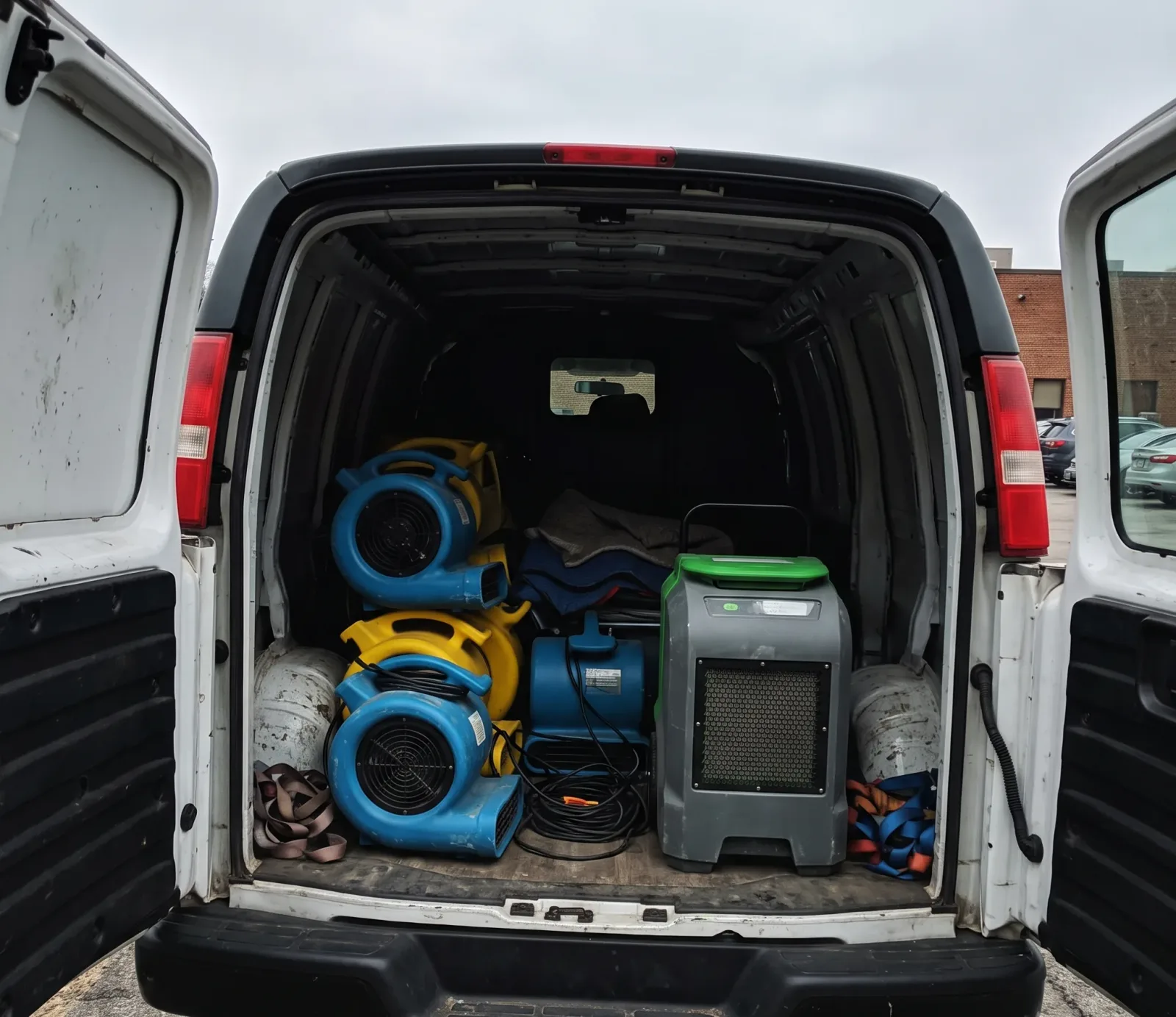
| Standing water spread across several rooms | Extraction with drying equipment |
Claim RecordsColorado does not issue a state license for this water extraction work. Do not rely on a state license claim or badge. Ask the provider to put the affected areas, removal work, and any separate drying or other work in writing for your records.
When Drying Equipment May Be Needed
When water remains in flooring or walls, materials can stay damp after the visible puddle is gone. Delayed assessment may leave more material affected and add drying or repair work to the cleanup. Extraction removes standing water; it does not restore materials or fix the source.
Prepare a Clear Path for Removal
For a small, clean spill on a hard surface, use household tools only if the area is clearly safe and the water is contained. You can stop a reachable water supply if doing so is safe, and keep people away from wet electrical areas. Stop if water spreads, reaches materials, or may be contaminated; contact an independent local pro.
What Shapes Water Removal Costs
Water near outlets, appliances, or wiring can make a cleanup unsafe even when the surface looks calm. Do not test electrical equipment or enter a questionable area to check it. Keep people clear and get qualified guidance. If water has reached materials or its path is unclear, contact an independent local professional for advice.
Understand Where Extraction Ends And Drying Begins
Water volume, spread, room access, and equipment requirements all affect the estimate. Share those details with the pros we connect you with and ask for the scope in writing.A musty odor or damp feeling after visible water is gone can signal moisture remains in flooring or walls, even when the puddle itself no longer shows how far it traveled. Any guide here describes extraction; drying, source repair, sewage cleanup, mold work, and rebuilding are separate. Ask for written details to confirm visit charges and the exact scope.Explore the factors that shape the total in our pricing guide.