What Shapes the Cost of Water Removal
Flooring, wall finishes, and stored belongings can each affect what needs attention after water is removed. The property’s water source and affected area shape the visit.
A Centennial caller can use a known marker such as Park Meadows Retail Resort to describe an area, while Bob L. Burger Recreation Center and South Platte Historical Park offer other regional reference points. The service address still determines the property being assessed.
Calls come from across Centennial and Arapahoe, where mailing addresses and municipal lines do not always match. Share the full street address so availability can be checked for that location; a postal city or ZIP label alone may not show whether the pros we connect you with can serve it.
Homes and Businesses
- INITIAL REVIEW
- The first discussion covers the water source, when it was noticed, and which rooms or surfaces appear affected.
- AFFECTED AREAS
- The assessor considers access and visible hazards before agreeing on an area for standing-water removal.
- SAFETY CHECK
- The depth, spread, and layout of pooled water help determine the removal approach and equipment.
- REMOVAL PLAN
- The agreed extraction scope identifies the areas addressed; visible water removal does not confirm the property is dry or restored.
- WATER REMOVAL
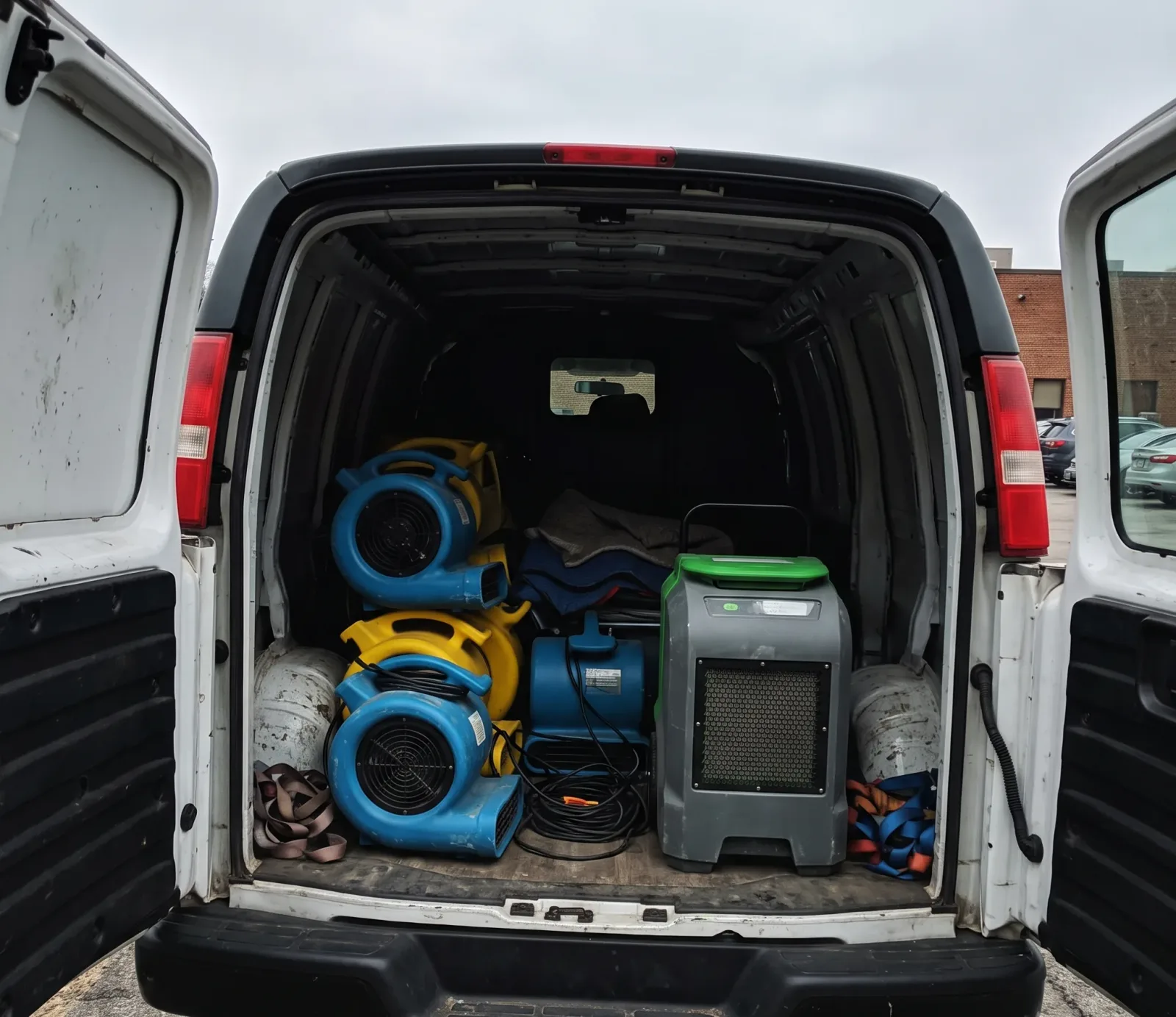
- The pros we connect you with check access before choosing pumps for pooled water or wet vacuums for tighter areas in a Centennial home.
- Cost Factors
- Centennial’s changing seasons can bring different water sources and conditions to a property. Tell the assessor whether the water followed a weather event, a leak, or another known source; the cause and affected area guide the extraction discussion.
- WATER AMOUNT
- an estimated $250–$1,300
When Water May Be Contaminated
Water damage drying addresses moisture after pooled water is removed. The terms get confused because both can appear in a cleanup plan, though extraction handles visible standing water and drying equipment addresses moisture left afterward. The work scope or service description settles the difference: extraction lists standing-water removal, while drying lists later moisture assessment and drying equipment. A machine’s appearance alone does not tell you which phase it is serving.
Moisture Left After Water Removal
The pros we connect you with first discuss the water source, affected rooms, access, and visible hazards. They assess where water has pooled and explain the proposed work area. In Centennial, the amount of water and the layout of the space can affect the cost and the removal approach.
After agreeing on the work area, the pros we connect you with select equipment suited to the standing water and access, then remove pooled water from affected surfaces. They can explain which areas are included and identify any visible water beyond that boundary before wrapping up the removal phase.
Cost follows the size and reach of the water, not just what you see at the doorway. One visit can suit a confined area; water spread across rooms or moisture left in materials may mean a plan with later checks or drying. Ask which steps are included and which are separate.
WATER REMOVAL FIRST, WITH DRYING NEEDS CONSIDERED NEXT
| Water Removed |
Frequent Initial Step |
|---|
| Pooled water awaiting prompt removal | Moisture assessment |
| Water reappears in a cleared area | standing water removal |
| Pooled water reaching separate parts of the property | Pooled water cleared; drying planned |
Coverage ReviewNo specific state code or required invoice form is verified here for extraction in Colorado. Ask for the invoice to identify the affected area and distinguish standing-water removal from separately scoped leak repair, contaminated-water cleanup, or rebuilding.
What Water Removal Leaves Behind
When pooled water sits in a home, it can spread across floors and into adjoining areas, making the affected work area larger. The removal scope then has more surfaces to address. An active leak also needs separate attention because extraction does not stop its source.
Keep Water From Spreading
If a leak comes from a shutoff valve you can reach without crossing wet flooring, turn it off; otherwise leave it alone. Keep people and pets clear of pooled water, especially near outlets or appliances. Tell the pros we connect you with what you can see, and do not run household equipment through wet areas.
Electrical Hazards Around Standing Water
Water that may contain sewage or chemicals needs a different scope from ordinary water removal. Keep people and pets away from the affected area, and tell the pros we connect you with what the water may contain before work is planned. A sewage or chemical concern can change what cleanup is needed.
Understand Where Extraction Ends And Drying Begins
Water volume, spread, room access, and equipment requirements all affect the estimate. Share those details with the pros we connect you with and ask for the scope in writing.A musty odor or damp feeling after visible water is gone can signal moisture remains in flooring or walls, even when the puddle itself no longer shows how far it traveled. Any guide here describes extraction; drying, source repair, sewage cleanup, mold work, and rebuilding are separate. Ask for written details to confirm visit charges and the exact scope.For a complete breakdown of cost factors, see the pricing guide.